

Key Takeaways
- Adjust your seat, mirrors, and seatbelt before starting the engine - every single time.
- Scanning the road ahead at least 10-15 seconds gives you time to react to hazards.
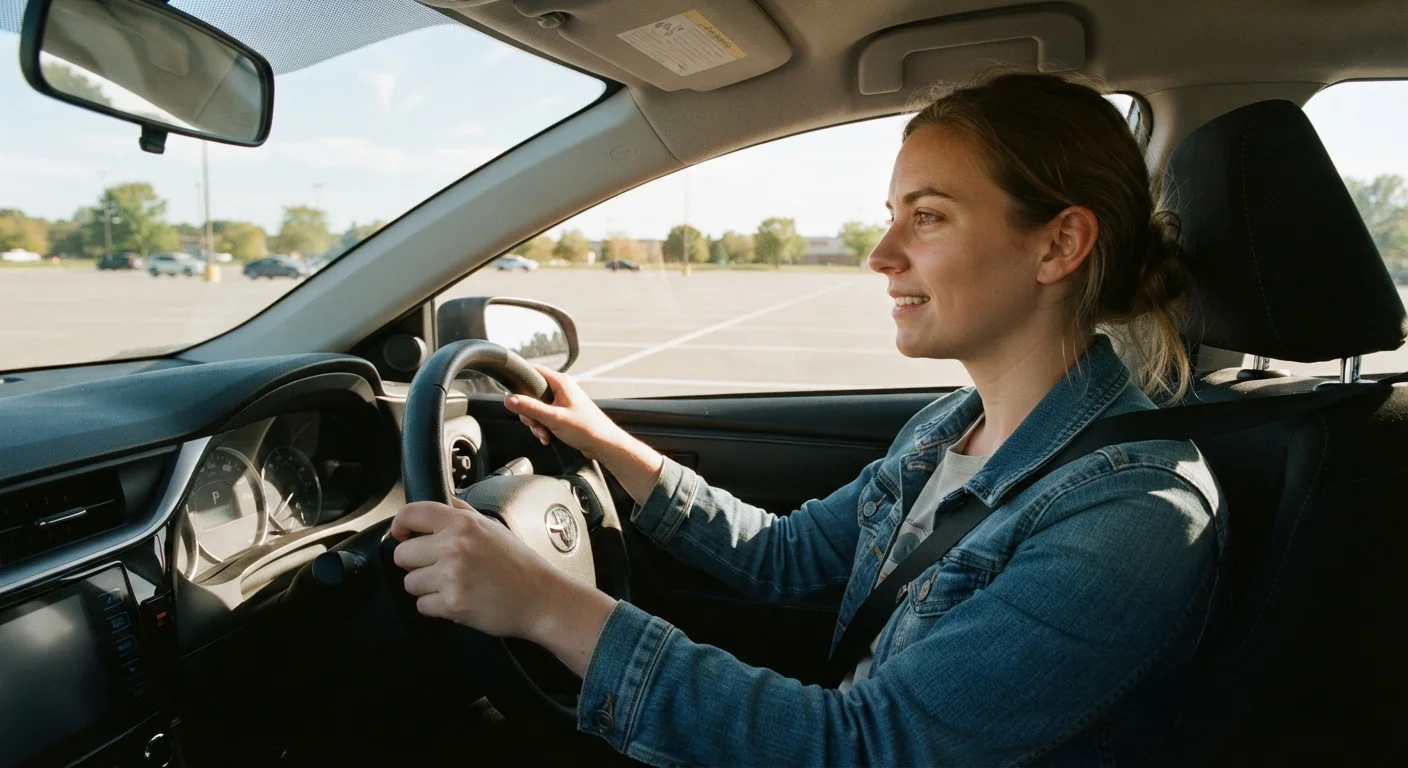
- Begin practice in empty parking lots or quiet side streets before tackling busy roads.
- Defensive driving means anticipating other drivers' mistakes, not just following the rules yourself.
- Overconfidence is a risk even for new drivers - steady, deliberate practice matters more than speed.
Start here
Setting Up Before You Move
Next
Understanding the Controls
Then
Core Habits Every New Driver Needs
When you're ready
Building Confidence Progressively
Looking ahead
What Comes Next: Beyond the Basics
Setting Up Before You Move
Before you touch the ignition, a proper vehicle setup is the foundation of safe driving. Rushing this step is one of the most common beginner mistakes - and one of the easiest to fix.
- Seat position: Adjust so your back is fully against the seat and your knees are slightly bent when the pedals are fully depressed. Locked, straight legs slow your reaction time.
- Mirrors: Set your rearview mirror to frame the entire rear window. Side mirrors should show just a sliver of your own vehicle's rear quarter on the inner edge - any more than that is wasted angle.
- Seatbelt: The lap belt should sit across your hip bones, not your stomach. The shoulder strap should cross your chest, not your neck.
- Headrest: Position it so the center of the cushion aligns with the center of the back of your head - not your neck.
These adjustments take under two minutes and directly affect your ability to control the car and survive a collision. Make them a non-negotiable ritual before every drive.
Make the Setup a Non-Negotiable Habit
Even if you've driven the same car for months, check your mirrors and seat position at the start of every drive. Mirrors can shift when passengers adjust them, and muscle memory from the last drive won't save you if your sightlines are off today.
Understanding the Controls
Knowing where every control is - and what it does - before you need it under pressure is critical. Spend time in a parked car identifying each one.
Defensive driving
A driving approach where you anticipate hazards and other drivers' potential errors, giving yourself time and space to respond safely rather than just reacting to the rules of the road.
Blind spot
The area around your vehicle that your mirrors cannot show - typically alongside and slightly behind each rear quarter. A shoulder check (briefly glancing over your shoulder) is needed to see into this zone.
Following distance
The gap between your vehicle and the one directly ahead. A minimum 3-second gap is the commonly recommended baseline under normal, dry conditions.
Scanning
The habit of actively moving your eyes across the full road environment - not just straight ahead - to pick up hazards early, including mirrors, intersections, and pedestrians.
Automatic transmission
A gearbox that shifts itself without driver input. The driver selects a driving mode (Drive, Reverse, etc.) but does not manually choose individual gears.
Primary Controls
- Accelerator (gas pedal): Right foot only. Apply pressure gently - sudden heavy pressure wastes fuel and reduces control.
- Brake pedal: Also right foot only. Apply gradually and steadily; stomping causes skids on most road surfaces.
- Steering wheel: Hold at the 9 and 3 o'clock positions for optimal airbag clearance and control - not 10 and 2, which was the older standard before airbags became universal.
Secondary Controls to Know
- Turn signals: Use them every time - before lane changes, turns, and merges, not during.
- Hazard lights: For emergencies or when stopped on the roadway.
- Windshield wipers and defrost: Know how to activate these before rain or fog catches you unprepared.
In an automatic transmission vehicle, the gear selector positions are P (Park), R (Reverse), N (Neutral), and D (Drive). Always confirm you're in the correct gear before releasing the brake.
Core Habits Every New Driver Needs
Technique and habits built early become automatic over time. These are the ones that matter most in the first months of driving.
Scanning Far Ahead
New drivers often fixate on the car directly in front of them. Instead, train your eyes to look 10-15 seconds ahead - roughly a block in city driving, farther on highways. This gives you reaction time before problems arrive at your bumper.
Checking Mirrors Regularly
A complete picture of your surroundings requires glancing at all three mirrors every 5-8 seconds. Before changing lanes, also check your blind spot - the area your mirrors don't cover - with a quick shoulder check.
Managing Space
Maintain at least a 3-second following distance in good conditions. Pick a fixed roadside marker, watch when the car ahead passes it, and count - you should reach the same point no sooner than three seconds later. In rain or low-visibility conditions, double that buffer.
Defensive Driving Mindset
Defensive driving means you drive as if other road users might make errors - because sometimes they will. Anticipate the car that might run a yellow light. Expect the pedestrian who may step off the curb. This isn't paranoia; it's the foundational mindset that prevents most collisions. As you gain experience, also be aware that even seasoned drivers develop dangerous assumptions - staying alert is a lifelong practice.
Building Confidence Progressively
Confidence behind the wheel grows with structured exposure - not by jumping into the deep end.
- Empty parking lots: Practice starts, stops, turns, and parking without any traffic pressure.
- Quiet residential streets: Introduce low-speed intersections, stop signs, and pedestrian awareness.
- Light suburban traffic: Traffic signals, left turns across traffic, and multi-lane roads.
- Busier arterials: Higher speeds, merging, and denser traffic patterns.
- Highway driving: Only after you're comfortable with all the above - high-speed merging and lane changes require well-practiced reflexes.
Rushing through these stages increases anxiety and the likelihood of mistakes. There's no fixed timeline - move to the next stage when the current one feels genuinely routine, not just manageable.
Don't Skip Stages Under Social Pressure
Friends or family may encourage you to tackle highways or night driving before you're ready - or mock a cautious pace. Rushing progression is a leading factor in new-driver collisions. Set your own timeline based on your comfort and skill, not someone else's expectations.
Good driving habits extend beyond technique. Before your first car purchase, it's also worth understanding the real cost of ownership - our guide on getting your finances ready for your first car is a practical starting point.
What Comes Next: Beyond the Basics
Once you're comfortable with core driving skills, a few additional areas will round out your competence as a new driver.
Pre-Trip Checks
A brief vehicle inspection before driving catches problems before they become emergencies - low tire pressure, a burned-out headlight, or low fluid levels. Our pre-trip safety check guide walks through this routine step by step.
Basic Maintenance Awareness
You don't need to be a mechanic, but knowing how to check your oil, read your tire pressure gauge, and recognize warning lights makes you a more self-sufficient driver. The car maintenance hub is a good place to continue learning about keeping your vehicle reliable.
Night and Adverse-Weather Driving
These conditions significantly change the demands on a driver. Reduced visibility, wet or icy roads, and headlight glare require slower speeds and even larger following distances. Practice these conditions with an experienced passenger before driving them solo.
Your State's DMV Handbook
Every state publishes a free driver's manual covering local traffic laws, road signs, and licensing requirements. Reading yours thoroughly is one of the most practical steps a new driver can take.
NHTSA Teen Driving Resources
The National Highway Traffic Safety Administration provides research-grounded guidance on safe driving practices, graduated licensing, and crash prevention for new drivers.
This article is for general educational purposes only. Always comply with your state's licensing requirements and consult a qualified driving instructor for personalized guidance.