
A Complete Overview of Preventive Pet Health Care Throughout Your Animal's Life

Key Takeaways
- Preventive care reduces the likelihood of costly, serious health problems developing undetected.
- A pet's care needs shift significantly from puppyhood or kittenhood through adult and senior stages.
- Annual wellness exams are the backbone of a sound preventive health strategy for most pets.
- Dental health, weight management, and parasite control are often overlooked but critical priorities.
- Senior pets generally benefit from twice-yearly vet visits and adjusted nutrition plans.
- Pet insurance can help manage the financial side of preventive and emergency care.
Why Preventive Care Matters More Than Most Owners Realize
Preventive pet health care is the practice of addressing potential health problems before they become serious — through regular veterinary visits, vaccinations, parasite control, nutrition management, and behavioral oversight. Unlike reactive care, which responds to illness or injury, preventive care is designed to keep animals healthy for longer and catch emerging issues early, when treatment is typically simpler and less expensive.
Many pet owners underestimate how much a consistent preventive routine can influence their animal's quality of life and lifespan. Conditions like dental disease, obesity, heartworm infection, and early kidney decline are all significantly easier to manage when identified early. The challenge is that pets cannot communicate discomfort the way humans can — and many conditions remain clinically silent until they are well advanced.
If you're new to pet ownership, the First-Time Pet Owner's Roadmap to Veterinary Care provides a strong foundation for understanding the full scope of what's involved from day one.
80%
Dogs with dental disease by age 3
According to the American Veterinary Medical Association, most dogs show signs of periodontal disease by their third year of life.
2x
Recommended vet visit frequency for senior pets
Veterinary organizations generally recommend twice-yearly wellness exams for pets in their senior years versus annual visits for younger adults.
56%
U.S. pets classified as overweight or obese
The Association for Pet Obesity Prevention has reported that a majority of American dogs and cats are above their ideal body weight.
The Young Pet Stage: Vaccines, Parasite Control, and Early Nutrition
The first weeks and months of a pet's life establish the foundation for long-term health. For puppies and kittens, this period involves a series of core vaccinations (typically beginning around 6–8 weeks of age), deworming protocols, flea and tick prevention, and early socialization. Your veterinarian will develop a vaccination schedule based on your pet's species, age, and local disease risks.
Spaying or neutering is also commonly recommended during this stage. Most veterinarians advise discussing the optimal timing for your individual pet, since recommendations have evolved and can vary by breed and size.
Nutrition plays an equally important role. Young animals have higher caloric and nutrient demands than adults, and feeding an age-appropriate diet supports healthy bone development, immune function, and growth. For dogs specifically, the guide to feeding a dog from puppyhood to senior years covers how to adapt feeding as your pet grows.
Ask your veterinarian to assign a body condition score (BCS) at every visit — this standardized 1–9 scale is far more reliable than relying on how your pet looks or feels to you.
Weight creep in pets is gradual and easy to miss at home. The BCS gives you an objective benchmark and early warning before excess weight causes health complications.
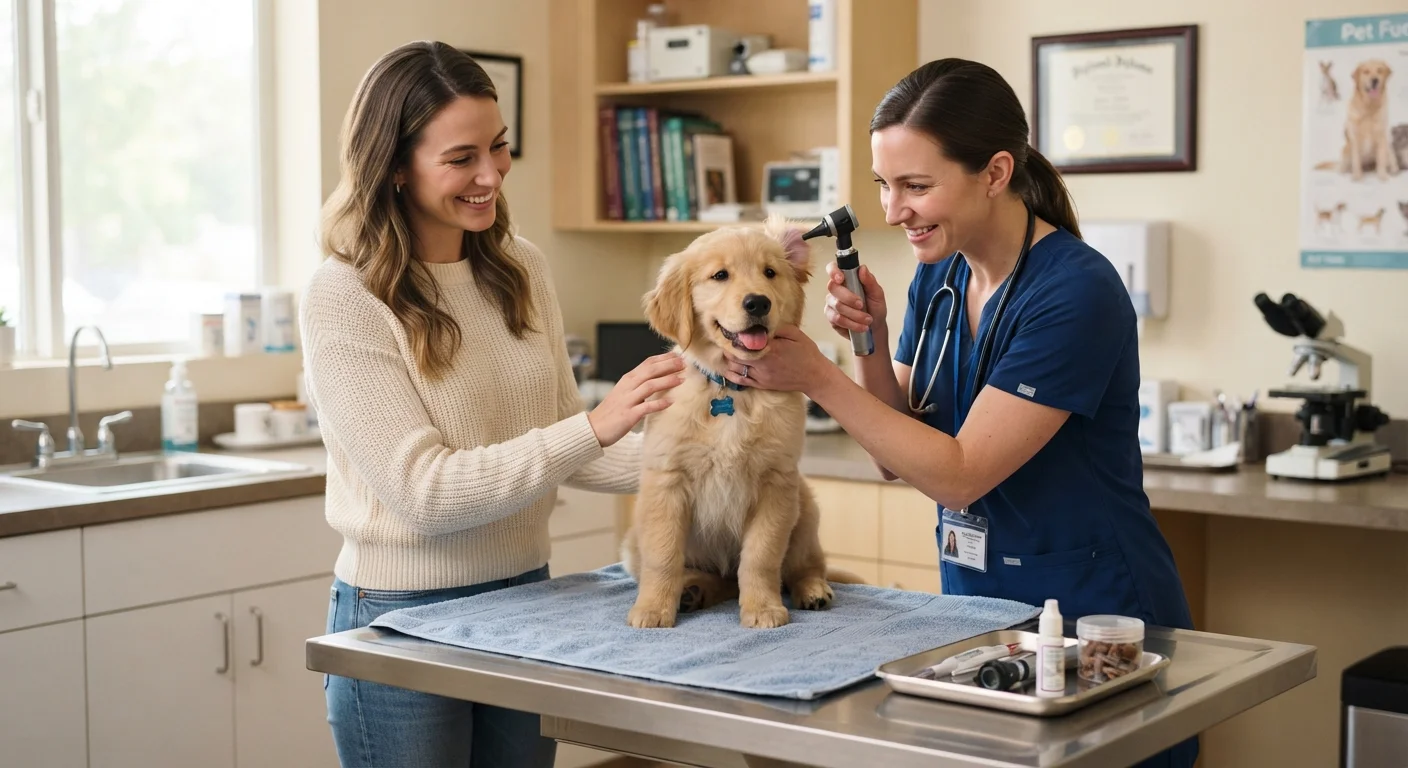
Start handling your puppy or kitten's paws, ears, and mouth regularly from the first week home — this desensitizes them to examination and makes vet visits far less stressful for everyone throughout their life.
Fear and stress during veterinary visits can cause pets to become more difficult to examine over time, sometimes leading to incomplete assessments. Early habituation is a simple, high-payoff investment.
Adult Pets: Maintaining Wellness Between Major Milestones
Once pets reach adulthood — generally around 1–2 years for cats and dogs, though this varies by species and breed — the pace of preventive care shifts. Annual wellness exams become the primary touchpoint with your veterinarian. These visits cover physical examination, weight assessment, booster vaccines where applicable, dental evaluation, and parasite screening.
To understand exactly what happens during these appointments and why each component matters, see our article on what your pet's annual wellness exam actually covers.
Weight management is one of the most impactful but underappreciated aspects of adult pet care. Veterinary studies consistently link excess body weight in pets to a higher incidence of joint disease, diabetes, heart conditions, and shortened lifespan. Maintaining a healthy weight through appropriate feeding and regular activity is one of the most meaningful things an owner can do.
Track Changes Between Vet Visits
Keep a simple log of your adult pet's eating habits, weight, energy level, and any behavioral changes. This record helps your veterinarian spot trends that might not be apparent from a once-yearly snapshot. Even a note on your phone works well for this purpose.
Senior Pets: Shifting Priorities and Increased Monitoring
The transition to senior status happens earlier than many owners expect — large-breed dogs may be considered senior as early as age 6 or 7, while smaller dogs and cats often reach that threshold around age 10–11. During this life stage, the focus of preventive care expands to include more frequent monitoring, often with twice-yearly wellness visits recommended by veterinarians.
Bloodwork and urinalysis become more important in senior care, helping detect age-related conditions such as kidney disease, thyroid dysfunction, or diabetes before outward symptoms appear. Pain assessment for arthritis and joint conditions is also a growing priority in older animals.
For practical guidance on supporting an aging pet's comfort and quality of life, the article on keeping a senior pet comfortable as they age covers nutrition adjustments, mobility support, and environmental modifications worth considering.
Behavioral Changes in Seniors May Signal Pain
A senior pet that suddenly becomes withdrawn, irritable, or less active is not simply 'slowing down with age' — these changes can indicate chronic pain, cognitive decline, or an underlying medical condition. Prompt veterinary evaluation is warranted. Do not wait for the next scheduled annual visit if you notice significant behavioral shifts.
Dental, Mental, and Behavioral Health Across All Life Stages
Dental disease affects a significant proportion of adult pets, yet it remains one of the most commonly undertreated conditions. Periodontal disease — infection and inflammation of the structures supporting the teeth — can progress silently, causing pain and, in advanced cases, contributing to systemic health problems. Professional dental cleanings performed by a veterinarian, along with at-home brushing when feasible, are the most effective preventive approach.
Behavioral health is an equally valid component of preventive care. Anxiety, compulsive behaviors, and aggression can all signal underlying stress, pain, or unmet needs. Early training and socialization during the juvenile period significantly reduces the likelihood of behavioral problems in adulthood. The complete guide to pet behavior and training is a comprehensive starting point for owners at any stage.
Mental Health Counts as Preventive Care
Enrichment activities — puzzle feeders, regular play, safe social interaction — are not optional extras. Chronic boredom and understimulation are associated with anxiety and destructive behaviors in pets. Incorporating enrichment into your daily routine is a recognized component of holistic preventive care, not just a lifestyle perk.
Planning and Budgeting for a Lifetime of Preventive Care
Consistent preventive care carries real costs — veterinary visits, vaccines, parasite preventives, dental cleanings, and diagnostic tests add up across a pet's life. Financial planning is a legitimate and important part of responsible pet ownership. Building a dedicated savings fund or exploring pet insurance are two common approaches owners use to manage these expenses.
Pet insurance policies vary considerably in what they cover, how reimbursements work, and what exclusions apply. For a thorough educational breakdown, see our overview of how pet insurance works, what it covers, and what it doesn't.
Beyond finances, the most consistent predictor of good preventive outcomes is simply showing up — keeping scheduled appointments, following through on recommended screenings, and staying engaged with your veterinarian as your pet's needs change over time. No single intervention replaces the cumulative benefit of a sustained, whole-life approach to care.
This article is for general informational purposes only and is not a substitute for professional veterinary advice. Always consult a licensed veterinarian for guidance specific to your pet's health needs.
AVMA Pet Owner Resources
The American Veterinary Medical Association offers pet owner education on vaccinations, wellness, and finding a licensed veterinarian in your area.
Association for Pet Obesity Prevention
Provides body condition scoring resources and weight management guidance to help owners assess and address weight-related health risks in their pets.
Companion Animal Parasite Council (CAPC)
Offers parasite prevalence maps and veterinarian-developed guidelines for flea, tick, and heartworm prevention by U.S. region.