

Key Takeaways
- Routine maintenance costs far less than the repairs skipping it causes.
- Oil changes, tire rotations, and fluid checks are the highest-impact low-cost habits.
- Keeping a maintenance log helps you stay on schedule and supports resale value.
- Some tasks are safe for DIY; others should always go to a qualified mechanic.
- Addressing small warning signs early prevents compounding damage to other systems.
Why Routine Maintenance Is a Financial Decision
Every vehicle requires regular upkeep to stay reliable - but many drivers delay small services until something breaks. That's understandable: maintenance costs money now, and breakdowns seem hypothetical. The problem is that deferred maintenance almost always costs more later, often significantly more.
Think of routine maintenance as a form of loss prevention. A $70 oil change protects an engine that might cost $4,000 to replace. A $15 tire pressure check can prevent uneven wear that shortens tire life by thousands of miles. The math consistently favors preventive care over reactive repair.
For a broader look at how ownership costs accumulate over a vehicle's life, see our overview at Car Maintenance - practical guidance on keeping your vehicle reliable and road-ready.
The Highest-Impact Maintenance Practices
Not all maintenance tasks carry equal weight. Some protect systems that are catastrophically expensive to repair; others preserve safety or fuel efficiency. The practices below address both categories - and consistently delivering on them makes the biggest difference to long-term vehicle health.
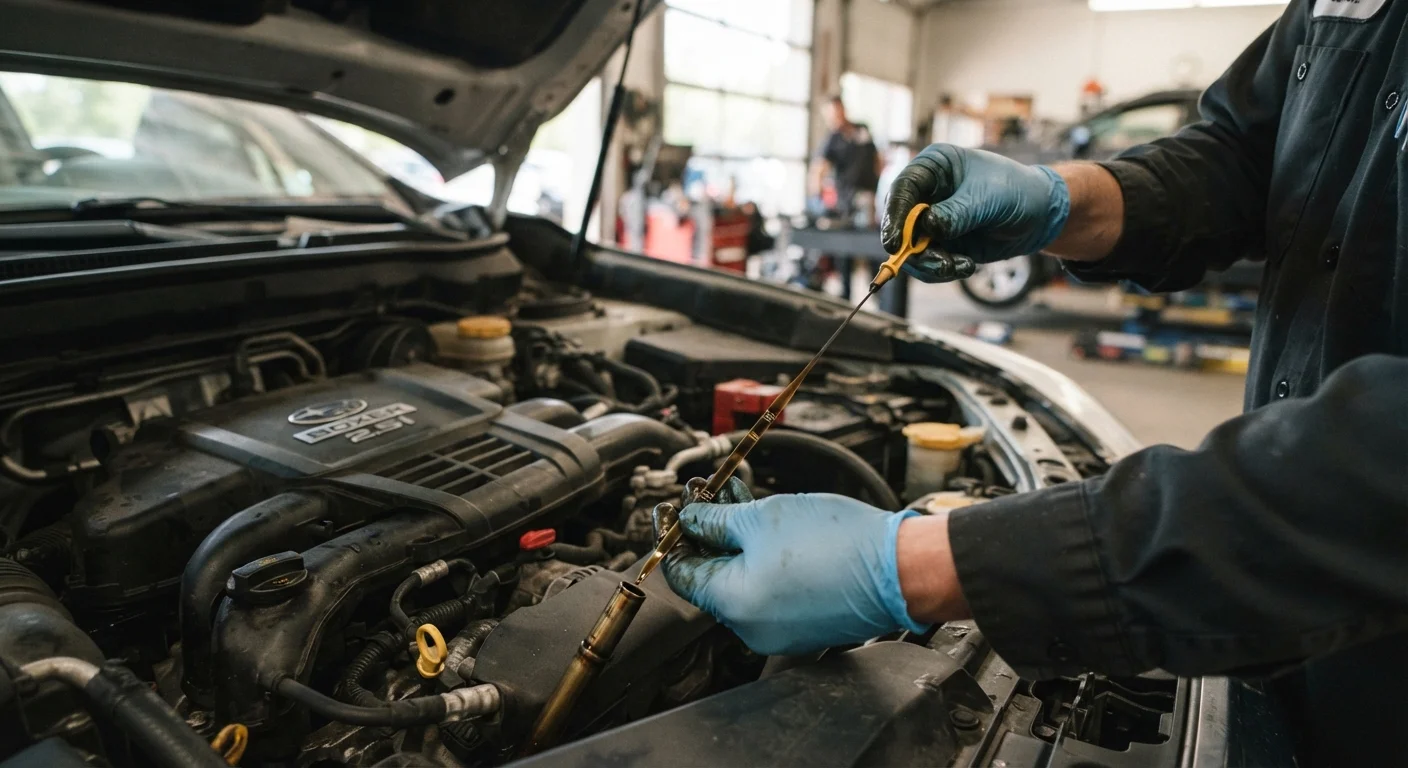
Change your engine oil and filter on the manufacturer's recommended schedule.
Engine oil lubricates hundreds of moving metal parts. As it ages, it breaks down and accumulates contaminants, increasing friction and accelerating wear. A neglected oil change can lead to sludge buildup - and ultimately engine failure, one of the most expensive repairs a driver can face.
Rotate your tires every 5,000-7,500 miles or as your manual specifies.
Tires wear unevenly depending on their position. Front tires on front-wheel-drive vehicles carry more load and tend to wear faster. Regular rotation equalizes wear, extends tire life, and preserves handling and braking performance - keeping both costs and safety risks lower.
Inspect and replace engine air and cabin air filters when dirty.
A clogged engine air filter restricts airflow to the engine, reducing fuel efficiency and potentially affecting performance over time. Cabin air filters protect occupants from dust, pollen, and pollutants - and a blocked one strains the HVAC blower motor.
Check tire pressure monthly and before long trips.
Under-inflated tires wear unevenly, reduce fuel economy, and increase the risk of blowouts. Pressure drops naturally over time and with temperature changes - roughly 1 PSI for every 10°F drop in outside temperature. This is one of the easiest and most impactful checks a driver can do.
Monitor and top off essential fluids - coolant, brake fluid, power steering fluid, and transmission fluid.
Each of these fluids plays a protective or functional role. Low coolant can cause overheating; degraded brake fluid absorbs moisture and reduces stopping effectiveness; low transmission fluid accelerates component wear. Catching a fluid drop early often points to a small leak before it becomes a large repair.
Keep a written or digital maintenance log for every service performed.
A maintenance record helps you stay on schedule, verify that past work was completed correctly, and demonstrate care history when selling the vehicle. Documented maintenance can support resale value and gives a mechanic useful context when diagnosing problems.
Maintenance Schedules Vary by Vehicle
Manufacturer-recommended intervals for oil changes, spark plugs, and fluid flushes differ across makes, models, and driving conditions. Always consult your owner's manual as the primary reference - not generalized rules of thumb. If you drive in severe conditions (frequent short trips, extreme temperatures, towing), your intervals may be shorter than the standard recommendation.
If you're unsure which tasks are safe to handle yourself, DIY Car Maintenance vs. Taking It to a Shop walks through how to weigh what's appropriate for a home mechanic versus what should go to a professional.
Start Today: Quick Actions That Cost Almost Nothing
You don't need a shop visit to begin protecting your vehicle. Several of the most impactful habits take under ten minutes and require no tools beyond what most drivers already own. Use these quick wins as your entry point, then build toward a consistent maintenance routine.
Before any long drive, it's also worth running through a broader vehicle check. Our pre-trip vehicle safety checklist covers fluid levels, lights, and tire condition in one practical walkthrough.
Building a Maintenance Habit That Sticks
The hardest part of vehicle maintenance isn't the tasks themselves - it's staying consistent. A simple system makes it far easier. Set mileage-based reminders on your phone, tie oil change checks to a recurring activity (like a monthly bill payment), and keep receipts from every service.
For drivers planning to hold onto a vehicle long-term, the financial trade-offs of keeping a car longer are worth understanding. Consistent maintenance is the single biggest factor in whether an older vehicle remains cost-effective to own.
It's also worth being mindful of where maintenance spending creeps into overspending. Common ways drivers overspend on their vehicles highlights the habits that drain budgets without delivering real benefit - so you can stay focused on what actually protects your car.
“The single most important thing you can do for your car is change the oil regularly. Everything else follows from that - a well-lubricated engine lasts far longer and costs far less to maintain.”
— Car Care Council, Non-profit automotive consumer education organization
This article provides general educational information about vehicle maintenance. For guidance specific to your vehicle, always consult your owner's manual or a qualified mechanic.