

Key Takeaways
- Road rage typically escalates from small frustrations that go unrecognized in the moment.
- Physical cues like a tight grip or rapid breathing are early warning signs you can learn to notice.
- De-escalation habits - such as creating distance and staying silent - can prevent dangerous confrontations.
- Aggressive driving contributes to thousands of serious crashes and incidents on U.S. roads each year.
- Recognizing your own triggers is the first and most important step toward calmer, safer driving.
Why Road Rage Starts With You, Not the Other Driver
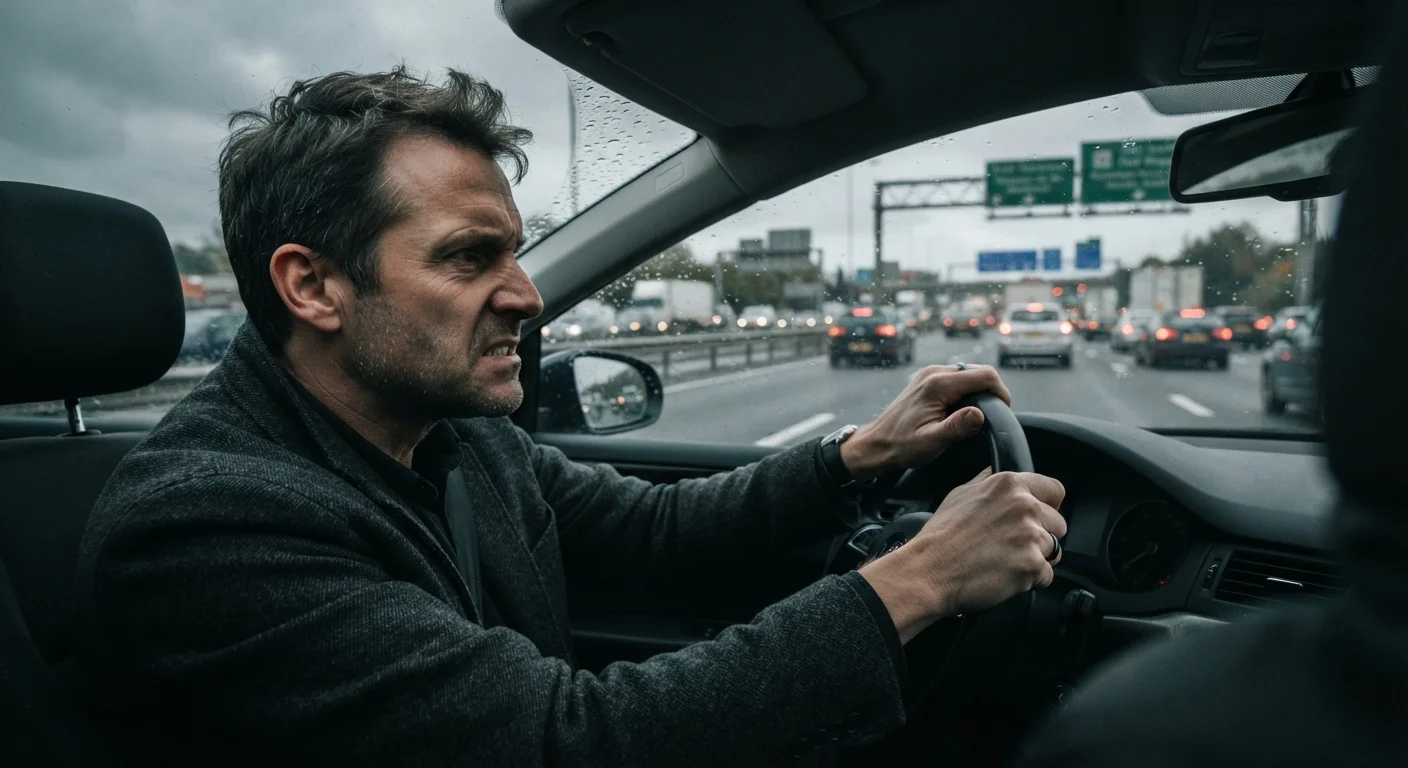
Most drivers think of road rage as something that happens to them - someone cuts them off, tailgates, or honks aggressively. But the truth is that the escalation cycle usually begins internally, with frustration that builds before anyone else does anything provocative. Recognizing that you can be a participant in the cycle - not just a victim of it - is the starting point for change.
Aggressive driving behavior, which includes speeding, tailgating, and erratic lane changes, is a factor in a significant share of U.S. traffic fatalities each year, according to the National Highway Traffic Safety Administration (NHTSA). The line between ordinary frustration and dangerous aggression can be crossed faster than most people expect, especially during stressful commutes or when a driver is already running late or emotionally taxed.
Understanding the mechanics of your own escalation - before you're in the middle of it - is foundational to defensive driving. It's not just about reacting to others; it's about managing yourself first.
Spotting Your Personal Escalation Triggers
Triggers vary widely from driver to driver. Common ones include heavy stop-and-go traffic, a driver who merges late without signaling, slow movement in a fast lane, or simply running behind schedule. The trigger itself is less important than your awareness of it. When you know what sets you off, you can anticipate and interrupt the reaction.
80%
U.S. drivers who admit to road rage
AAA Foundation for Traffic Safety has reported that approximately 8 in 10 drivers admit to expressing anger, aggression, or road rage while driving in the past year.
~56%
Of fatal crashes involving aggressive driving
The NHTSA has identified aggressive driving behavior as a contributing factor in a substantial share of U.S. traffic fatality reports.
Pay attention to physical cues as early warning signs: jaw clenching, a tightening grip on the wheel, shallow breathing, or muttering under your breath. These are your body's stress signals - they appear before aggressive behavior does. Catching them early gives you a window to redirect before the situation worsens.
Poor merging behavior is among the most commonly cited triggers in driver surveys. Rather than interpreting a late merge as a personal slight, remind yourself that most poor driving decisions are the product of distraction or unfamiliarity - not malice.
Best Practices for De-Escalating Before It Gets Dangerous
Once you've identified that frustration is rising, a set of reliable habits can interrupt the escalation cycle. The practices below are grounded in driver safety research and defensive driving curricula used across the U.S.
Create physical distance between your car and a driver who is behaving aggressively.
Maintaining extra following distance removes you from a situation before it can escalate. It also gives you more reaction time if the other driver brakes suddenly or behaves unpredictably. Distance is one of the most effective buffers available to you.
Avoid eye contact, horn use, and gestures when another driver is already agitated.
Eye contact and reactive gestures are interpreted as challenges and can rapidly intensify a confrontational dynamic. Silence and non-engagement are not weakness - they are effective de-escalation tools recognized in conflict management.
Use a verbal reset when you feel frustration spiking - say something neutral aloud to interrupt the emotional momentum.
Talking yourself down before acting on frustration breaks the automatic link between stimulus and response. This technique is used in behavioral coaching and can be surprisingly effective in the moment.
Build buffer time into your schedule so that a traffic delay doesn't feel like an emergency.
Time pressure is one of the most reliable amplifiers of driving frustration. When being late feels catastrophic, every small obstacle feels like a personal attack. Removing that pressure removes much of the fuel from road rage.
Recognize when you should not be driving and delay or adjust your trip accordingly.
Driving while emotionally dysregulated - angry, grief-stricken, or highly anxious - poses a genuine safety risk to you and others. Emotional impairment affects reaction time and decision-making in ways that are similar to other recognized driving impairments.
If Another Driver Follows You
If you believe an aggressive driver is following you, do not drive home. Instead, drive to a busy public place - a gas station, a police station, or a fire department. Stay in your locked vehicle and call 911 if you feel threatened. Confronting an unknown person outside your vehicle dramatically increases the risk of harm.
Quick Steps You Can Start Using Today
You don't need a course or a major lifestyle change to begin managing road frustration more effectively. Small, immediate actions can shift your experience significantly.
It's also worth noting that fatigue and stress from outside the car - a difficult day at work, poor sleep - dramatically lower your frustration threshold. Taking a moment before you drive to assess your emotional state is part of a sound pre-trip routine. The car isn't always the right place to process a hard day.
Finally, remember that experienced drivers are not immune to aggression. Overconfidence and routine can actually make long-term drivers less self-aware behind the wheel, not more. Staying conscious of your own state is a habit worth building at any experience level.