

Key Takeaways
- The FDA requires manufacturers to list 'Added Sugars' separately on Nutrition Facts labels.
- Sugar appears under more than 60 names on ingredient lists, including syrups, nectars, and '-ose' compounds.
- Natural sugars in whole fruit and plain dairy behave differently in the body than added sweeteners.
- The ingredient list order matters — ingredients listed first are present in the highest quantities.
- Awareness of hidden sugar names empowers smarter food choices without eliminating all sweetness.
What you will need
Why Sugar Has So Many Names
Food manufacturers are not required to consolidate all sugar sources under a single ingredient name. Each sweetener — whether it's maltodextrin, turbinado, or barley malt — can be listed individually. The practical effect is that a product can appear lower in sugar on the ingredient list than it actually is. Understanding this labeling landscape is the starting point for making more informed choices at the grocery store.
For a broader look at how every section of a nutrition label works together, see our guide to reading nutrition labels — it covers serving sizes, percent daily values, and more.
What you will need
Nutrition Facts Panel
Shows total sugars and added sugars in grams per serving, as required by the FDA.
Ingredient List
Reveals every sweetener by its specific name, listed in descending order by weight.
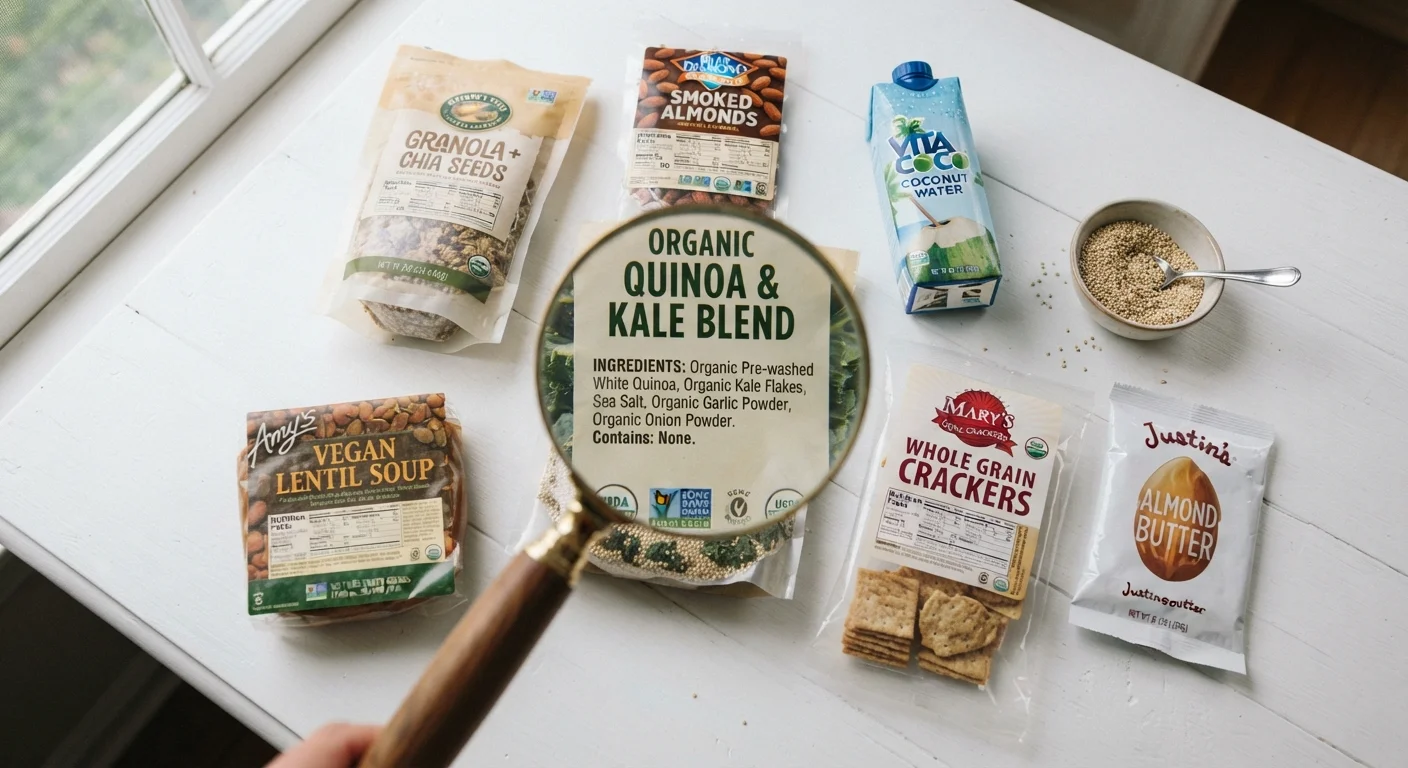
Smartphone or Magnifying Glass
Helps read small-print ingredient lists on packaging in store aisles.
How to Read Labels for Hidden Sweeteners
The steps below walk you through a systematic approach to spotting added sugars in any packaged food. You don't need to memorize every possible name — learning the patterns (the -ose endings, the syrup rule, label position) covers the vast majority of cases you'll encounter.
Find the Nutrition Facts Panel
Locate the Nutrition Facts box on the back or side of the package. Under Total Sugars, you'll see a sub-line labeled Includes X g Added Sugars. This distinction — mandated by the FDA — separates sugars that were added during processing from those naturally present in ingredients like milk or whole fruit. The Added Sugars line is your first checkpoint.
Scan the Ingredient List for '-ose' Names
Move to the ingredient list and look for words ending in -ose: sucrose, fructose, dextrose, maltose, lactose, and glucose are all sugars. Manufacturers sometimes use several of these in one product, which can make sugar appear lower in the ingredient rankings even when the total amount is substantial.
Identify Syrup and Nectar Aliases
Syrups are nearly always concentrated sugar sources. Watch for: corn syrup, high-fructose corn syrup, brown rice syrup, malt syrup, maple syrup, agave nectar, and cane syrup. 'Nectar' in any fruit form (peach nectar, pear nectar) is typically a sweetened juice with added sugars. None of these is inherently harmful in small amounts, but they contribute to Added Sugars totals.
Spot Juice Concentrates and Dehydrated Sugars
Fruit juice concentrate and dried cane juice are added sugars, even though their names imply whole-food origins. The water or fiber that moderates sugar absorption in whole fruit has been removed. Other dehydrated forms to recognize include evaporated cane juice, coconut sugar, and date sugar. These all appear on the Added Sugars line of the Nutrition Facts panel.
Note Ingredient List Position
Ingredients are listed in descending order by weight. If any sugar name — or combination of sugar names — appears in the first three ingredients, the product is relatively high in added sweeteners. A product listing 'sugar' as the second ingredient and 'corn syrup' as the fourth effectively has sugar as its dominant ingredient when combined.
Distinguish Added from Naturally Occurring Sugars
Not all sugars on a label signal a processing concern. Naturally occurring sugars in plain milk (lactose) or whole fruit come packaged with fiber, protein, or other nutrients that affect how the body processes them. The key difference: these do not appear on the Added Sugars sub-line. Whole-food sources of natural sugar are generally considered part of a balanced diet by mainstream nutrition guidance, though individual needs vary — consult a healthcare professional if you have questions specific to your health.
The '-ose' Rule of Thumb
Most chemical names ending in '-ose' — like fructose, maltose, dextrose, and sucrose — are forms of sugar. Spotting this suffix anywhere in an ingredient list is a quick signal that sweetener is present. Combine this with the syrup test: any syrup (rice syrup, corn syrup, malt syrup) is also a sugar source.
This Is General Education, Not Medical Advice
The information in this article is intended to help you understand food labels, not to diagnose, treat, or prescribe a diet for any health condition. If you have diabetes, metabolic concerns, or any condition affected by sugar intake, please consult a qualified healthcare professional before making significant dietary changes.
"No Added Sugar" Doesn't Mean Sugar-Free
A product labeled 'no added sugar' can still contain naturally occurring sugars from fruit concentrate, lactose, or other whole-food ingredients. Always cross-reference the Nutrition Facts panel — look at both Total Sugars and Added Sugars together for a complete picture.
Putting It All Together
Once you practice these steps on a few familiar products, label-reading becomes considerably faster. The goal isn't to avoid all sweeteners — it's to make choices with accurate information rather than being misled by unfamiliar terminology or marketing claims like 'made with real fruit' or 'naturally sweetened.'
Different people have different dietary needs, and what matters in a food product depends on your overall eating pattern, not any single ingredient. Use this knowledge as one tool among many, and remember that a qualified registered dietitian can offer guidance tailored to your specific health circumstances.
This article is for general informational purposes only and does not constitute medical or dietary advice. Consult a qualified healthcare professional for guidance specific to your health needs.