

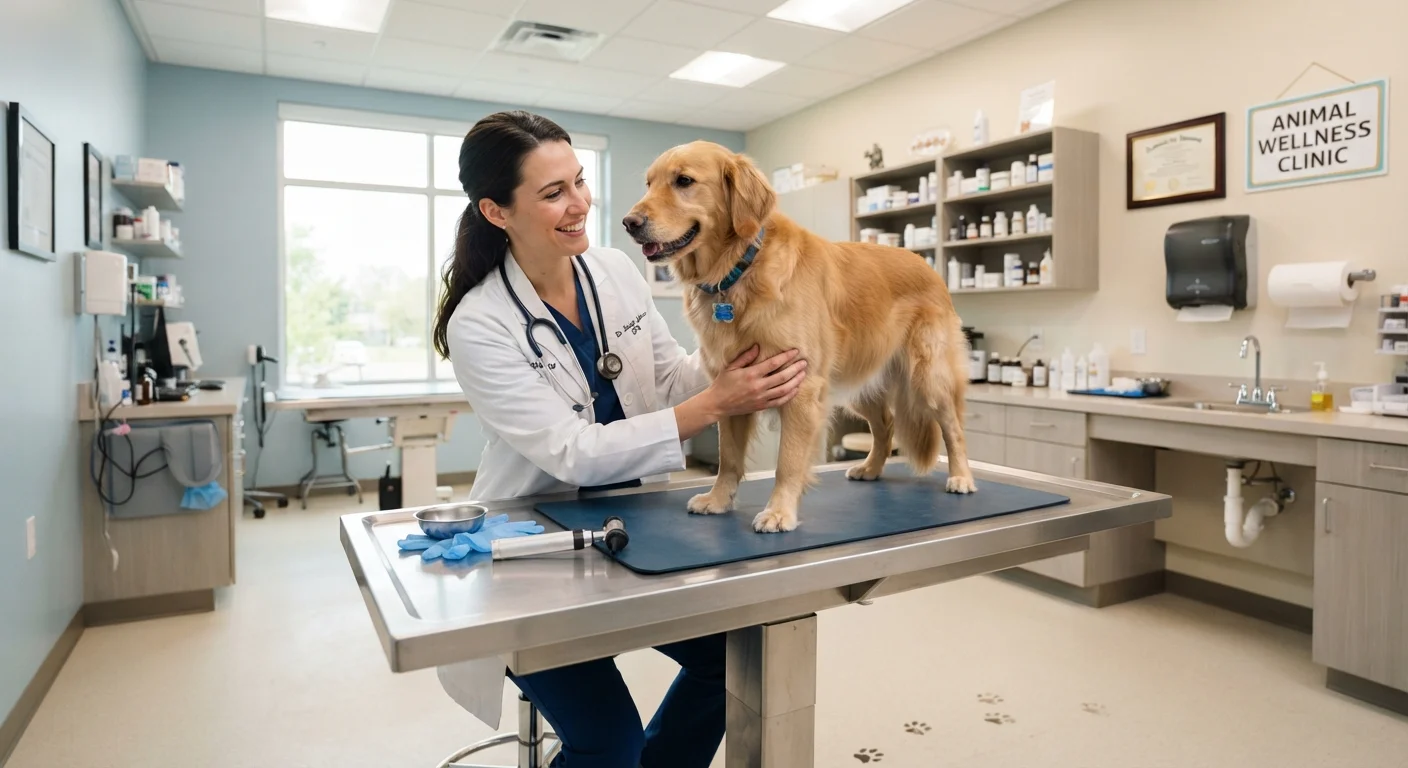
Key Takeaways
- A wellness exam is a head-to-tail physical assessment, not just a vaccine appointment.
- Vets evaluate weight, teeth, heart, lungs, eyes, ears, coat, and more in a single visit.
- Early detection of issues like dental disease or heart murmurs can significantly affect outcomes.
- Parasite screening and preventive medications are typically reviewed and updated at each visit.
- Senior pets and young animals often benefit from more frequent checkups than once a year.
Annual Pet Wellness Exam
A routine veterinary visit — typically scheduled once a year for adult pets — designed to assess your animal's overall physical health, screen for developing conditions, and keep preventive care on track. It is not the same as a sick visit; the goal is proactive monitoring rather than treating an existing problem. Think of it as a full-body health inventory conducted by a licensed veterinarian.
Veterinarians may recommend more frequent wellness visits (every six months) for senior pets, very young animals, or those with known chronic conditions, since physiological changes occur more rapidly at these life stages.
More Than a Checkup: What the Exam Actually Involves
Many pet owners think of the annual wellness visit primarily as the appointment where vaccines get updated. In reality, immunizations are just one part of a much broader evaluation. The core of the visit is a systematic, head-to-tail physical examination that gives your veterinarian a documented baseline of your pet's health — and a chance to spot changes before they become serious problems.
Here's what a typical physical assessment covers:
- Weight and body condition: Vets assess whether your pet is at a healthy weight using a standardized body condition score, flagging obesity or unintended weight loss — both of which can signal underlying disease.
- Heart and lungs: Auscultation (listening with a stethoscope) checks for heart murmurs, irregular rhythms, and abnormal breath sounds.
- Eyes, ears, and nose: Signs of infection, discharge, cataracts, or structural issues are documented.
- Oral health: Dental disease is one of the most commonly underdiagnosed conditions in companion animals. Vets check for tartar buildup, gum inflammation, tooth fractures, and signs of pain.
- Skin and coat: Lumps, rashes, hair loss, parasites, and coat quality all provide information about systemic health and external conditions.
- Abdomen: Manual palpation helps the vet assess organ size and detect discomfort, masses, or fluid.
- Musculoskeletal system: Gait, joint mobility, and muscle mass are evaluated, particularly important for detecting early arthritis in older pets.
- Lymph nodes: Swollen nodes can indicate infection or immune system activity worth investigating.
Make the Most of Your Appointment
Write down any changes you've noticed in your pet's behavior, appetite, water consumption, or bathroom habits in the weeks before the visit. Even observations that seem minor can be clinically relevant, and your vet is better equipped to interpret them when they have the full picture.
If your pet is new to your household or you're visiting a new practice, mention your pet's full history, including any prior surgeries, known allergies, or chronic conditions. This context shapes what your vet prioritizes during the exam.
Diagnostic Tests and Preventive Screenings
Beyond the hands-on exam, your veterinarian may recommend or conduct several diagnostic tests depending on your pet's age, species, and individual history.
80%
Dogs over age 3 with dental disease
According to the American Veterinary Medical Association, approximately 80% of dogs and 70% of cats over age three show signs of periodontal disease.
1 in 3
Pets with a hidden health condition
Veterinary industry data consistently suggests that a significant proportion of pets presenting for routine wellness exams are found to have at least one previously undetected health issue.
Parasite testing is standard at most annual visits. A fecal examination checks for intestinal parasites — including roundworms, hookworms, whipworms, and Giardia — that may not cause obvious symptoms. Heartworm testing is recommended annually for dogs in most regions, particularly if preventive medication is used, since testing confirms the medication has been working correctly.
Bloodwork and urinalysis become increasingly important as pets age. A basic chemistry panel and complete blood count (CBC) evaluate kidney and liver function, red and white blood cell counts, blood sugar, and other markers. These are especially valuable for catching early-stage organ disease, when intervention options are broadest.
Vaccines are reviewed and administered as appropriate during this visit. Schedules are based on your pet's age, lifestyle, and local disease risk. For a detailed breakdown of which vaccines apply to your animal, see our guide on core versus non-core pet vaccines.
Why Consistency Matters More Than You Might Expect
A single wellness exam is valuable — but the real clinical power comes from continuity. When the same practice sees your pet year after year, they accumulate a longitudinal health record. A 2-pound weight change, a subtle heart murmur, or a shift in blood values that appears minor in isolation becomes meaningful when compared against documented baselines.
Dental Disease Is Often Silent
Most pets do not visibly show pain from dental disease, even when it's advanced. They continue to eat and behave normally despite significant inflammation or infection in the mouth. This is why a veterinary oral exam — not home observation alone — is the reliable way to assess dental health.
Dental disease is present in an estimated 80% of dogs and 70% of cats over the age of three, according to the American Veterinary Medical Association, yet many cases go undetected by owners at home. The wellness exam is frequently the first opportunity to diagnose and address it.
Wellness visits also give you structured time to ask questions. Behavioral concerns, nutrition and diet questions, and changes in activity or sleep patterns are all relevant and worth raising. Your vet can determine whether what you're observing is normal variation or something requiring follow-up.
If you're newer to pet ownership and still building your veterinary routine, our first-time pet owner's veterinary care roadmap provides a practical starting point. And if the cost of regular care is a factor in your planning, it's worth understanding how pet insurance policies work before an unexpected bill arises.
This article is for general informational purposes only and does not constitute veterinary advice. Always consult a licensed veterinarian for guidance specific to your pet's health needs.