

Pets & Animals Editorial Team

A Complete Overview of Preventive Pet Health Care Throughout Your Animal's Life
From puppyhood to senior years, preventive care looks different at every life stage. This …

Common Myths About Spaying and Neutering - Separated from the Facts
From personality changes to weight gain, many beliefs about spay/neuter procedures are mis…
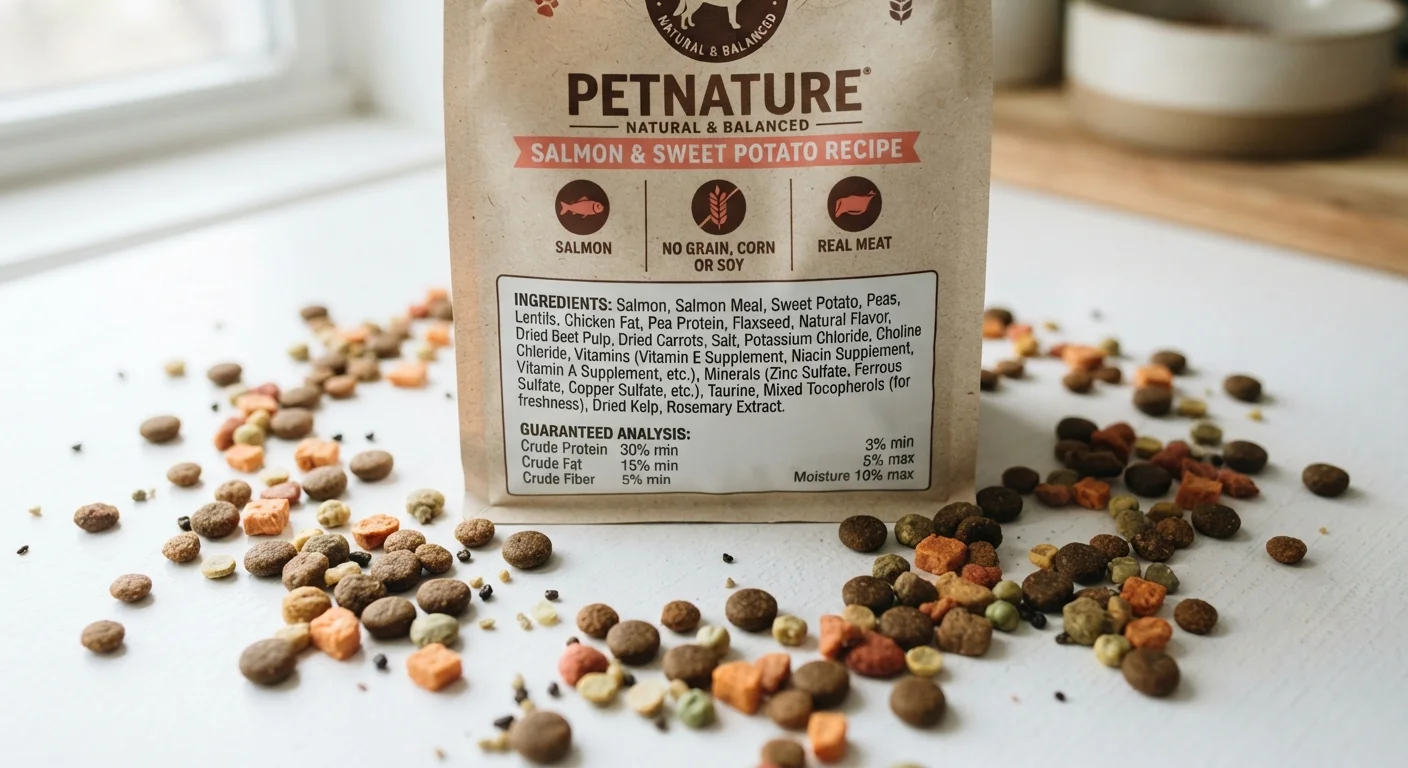
Decoding Pet Food Labels: What the Ingredients List Is Really Telling You
Pet food packaging can be confusing. Learn what key label terms, guaranteed analyses, and …
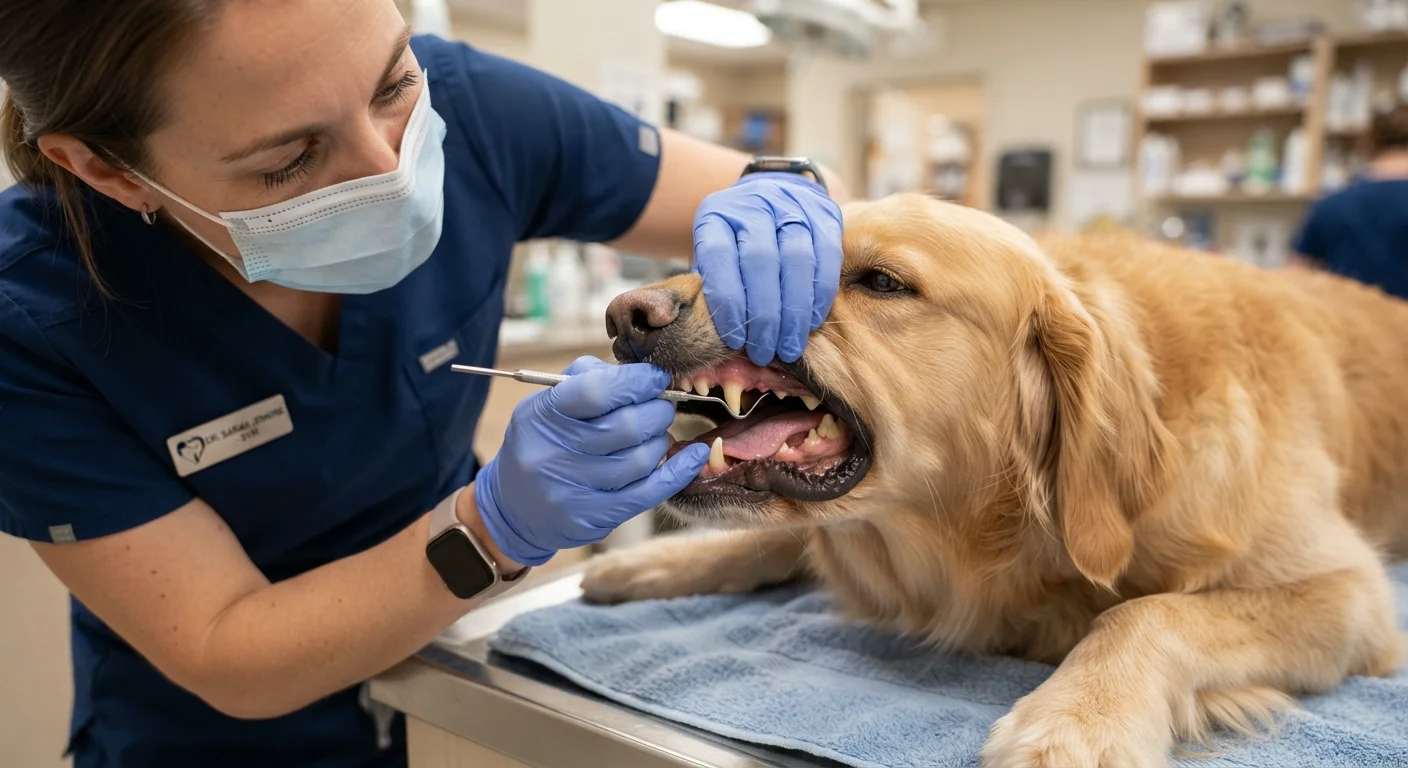
Dental Disease in Pets: The Health Problem Most Owners Overlook
Gum disease affects the majority of adult pets and can impact heart, liver, and kidney hea…

First-Time Pet Owner's Roadmap to Veterinary Care
New to pet ownership? This guide walks you through finding a vet, scheduling visits, and u…
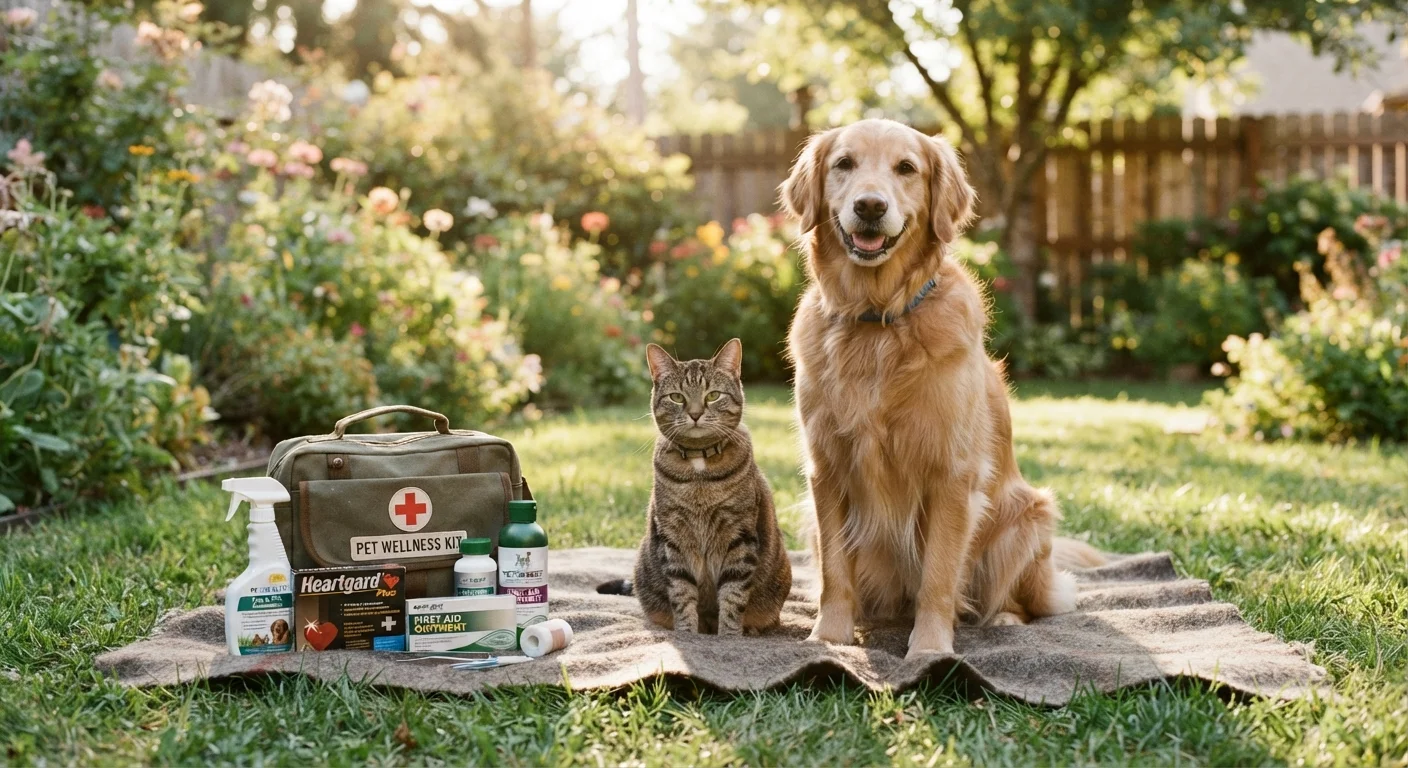
Flea, Tick, and Heartworm Prevention: What Each Product Type Actually Does
Parasite prevention options vary widely in how they work and what they protect against. A …

How to Read Your Pet's Body Language Across Different Situations
Body language is how pets communicate stress, comfort, and illness. Learn to interpret pos…

Indoor Cat vs. Outdoor Cat: Health Trade-Offs Every Owner Should Understand
The indoor vs. outdoor debate involves real health risks on both sides. Here's what the ev…

Keeping a Senior Pet Comfortable as They Age
Older pets have different needs than younger ones. Learn how nutrition, vet care, and home…

Pet Insurance: What It Covers, What It Doesn't, and How Policies Work
Pet insurance can ease the financial burden of unexpected vet bills, but policies vary gre…

Pet Vaccinations Explained: Core Shots, Optional Shots, and Why Timing Matters
Not all pet vaccines are required for every animal. Here's a clear overview of core vs. no…

Signs Your Dog May Be in Pain - and What to Do Next
Dogs rarely vocalize discomfort. Recognize the subtle behavioral and physical cues that si…

The Hidden Stressors That Affect Your Pet's Health at Home
Chronic stress in pets can suppress immunity and alter behavior. Discover the everyday hou…

Understanding Zoonotic Diseases: What Pets Can and Cannot Pass to Humans
Some illnesses can transfer between pets and people. Learn which conditions carry real ris…

What Your Pet's Annual Wellness Exam Actually Covers
Understand what vets check during a routine pet wellness visit and why these appointments …

Why Pets Gain Weight - and the Health Risks That Come With It
Pet obesity is a growing concern linked to joint problems, diabetes, and shorter lifespans…

Before Every Training Session: A Quick Readiness Checklist
Effective training depends on the right conditions. Use this checklist to set yourself and…

Clicker Training vs. Marker Words: Choosing What Works for Your Pet
Both clicker training and verbal markers use the same science. See how they differ in prac…

Common Myths About Cat Training That Hold Owners Back
Cats aren't untrainable — that's just one of the persistent myths. See which beliefs about…

Crate Training: The Honest Pros and Cons Every Owner Should Know
Crates can be a powerful training tool or a source of stress, depending on how they're use…

Managing Multi-Pet Households: Training When Dogs and Cats Share a Space
Training one pet is hard enough. Here's how to set clear expectations and maintain harmony…

New Dog, New Home: Building Good Habits in the First 30 Days
The earliest weeks with a new dog set the tone for years of behavior. Here's what to focus…

Pet Behavior & Training From the Ground Up: Everything First-Time Owners Need to Know
From learning theory to real-world routines, this comprehensive guide covers the full spec…

Positive Reinforcement vs. Correction-Based Training: What the Research Actually Shows
Two major dog training philosophies, one important choice. Here's how each approach works …

Reading Your Cat's Body Language: A Practical Field Guide
Tail position, ear angle, slow blinks — cats communicate constantly. This guide decodes th…

Resource Guarding in Dogs: Recognizing Early Signs Before Problems Escalate
Growling over food or toys can signal resource guarding. Learn what this behavior looks li…

Separation Anxiety in Dogs: What It Is and How Training Can Help
Destructive behavior when you leave isn't spite — it's distress. Understand separation anx…

Teaching a Dog to Come When Called, Even With Distractions
A reliable recall is one of the most important skills a dog can have. Learn the step-by-st…

The Real Reasons House Training Takes Longer Than Expected
Accidents keep happening despite your best efforts. These common house-training pitfalls e…

Understanding Operant Conditioning: The Science Behind Every Training Method
Every training technique — reward, correction, or redirection — traces back to operant con…

Why Dogs Pull on the Leash - and What's Really Going On in Their Heads
Leash pulling isn't stubbornness — it's instinct. Learn what drives this behavior and how …

Why Timing Matters More Than Almost Anything Else in Pet Training
A reward delivered a second too late can reinforce the wrong behavior. Here's why precise …
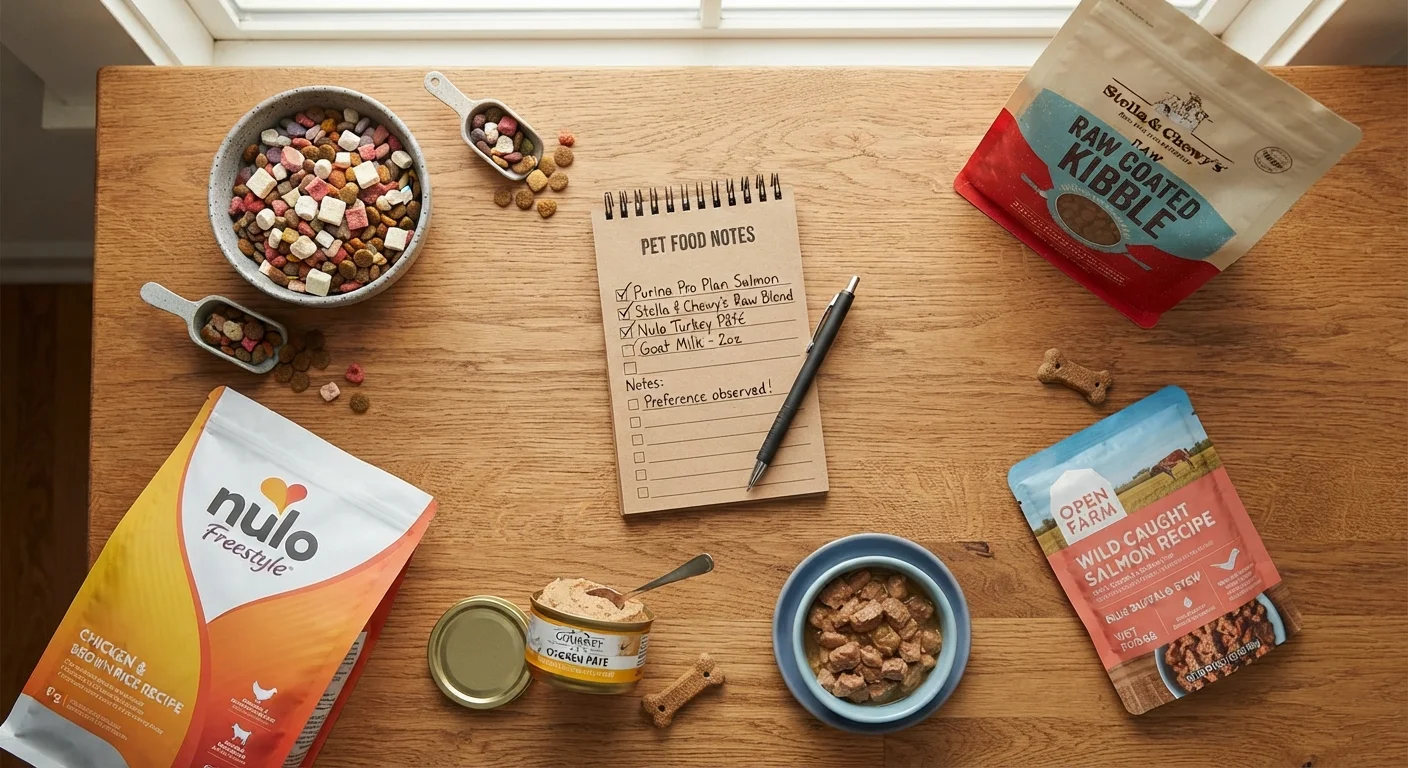
Before You Switch Your Pet's Food: A Practical Checklist
Use this checklist to evaluate nutritional completeness, ingredient quality, life-stage su…

Dry Kibble vs. Wet Food: What the Difference Means for Your Pet's Health
Moisture content, dental health, cost, and palatability all factor in. Here's how dry and …

Feeding Habits That Support a Long, Healthy Life for Your Dog
Portion discipline, meal timing, food quality, and vet check-ins — the feeding habits cons…

Feeding a Dog From Puppyhood to Senior Years
A dog's nutritional needs shift dramatically across life stages. This guide explains what …

Foods That Are Dangerous to Dogs and Cats
Grapes, xylitol, onions, and more — a factual reference to common household foods that are…
Grain-Free Pet Food: What the Research Actually Shows
Grain-free diets became hugely popular — then the FDA raised questions about a possible li…

Homemade Pet Food: What Works, What's Risky, and What to Discuss With Your Vet
Cooking for your pet can offer control over ingredients, but nutritional gaps are a real c…
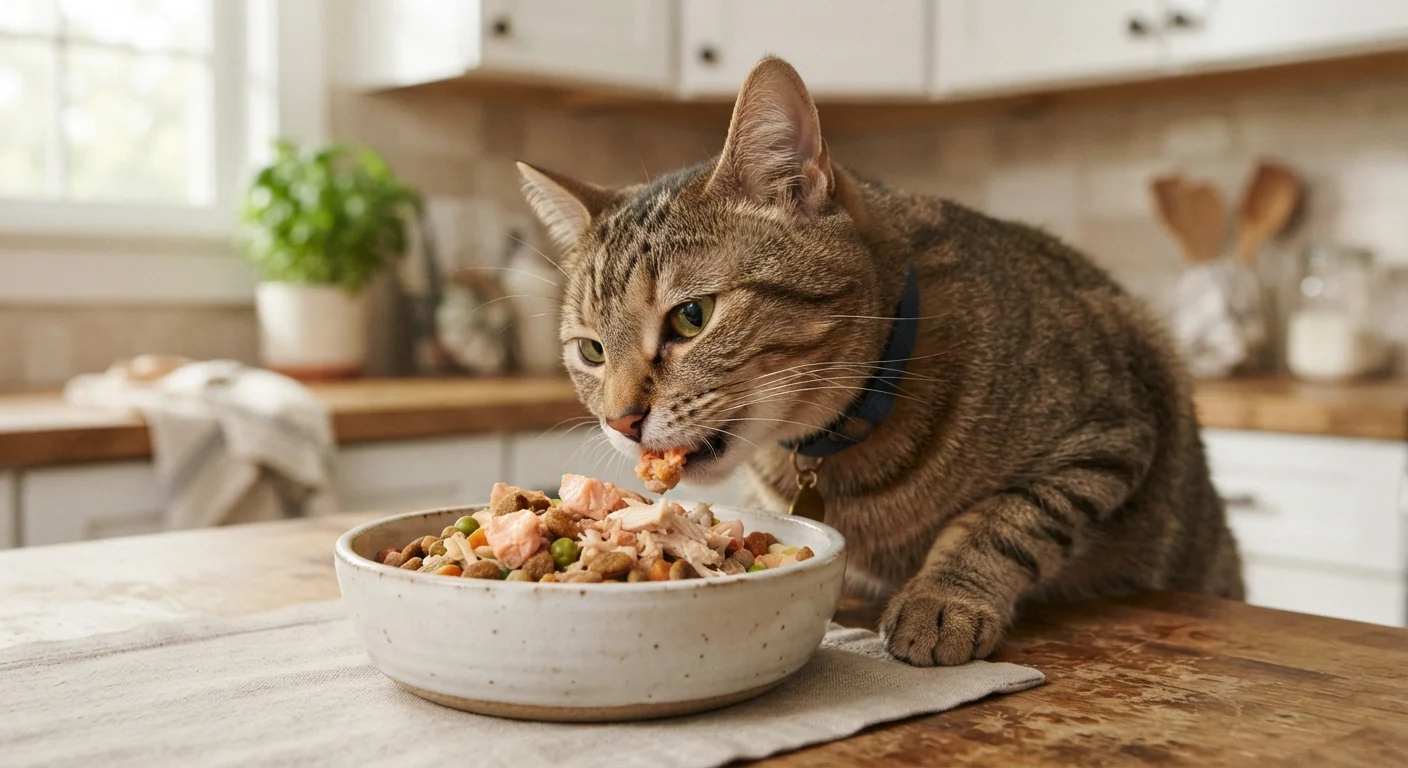
Nutrients Every Cat Owner Should Understand
Taurine, arachidonic acid, vitamin A — cats have unique dietary requirements that differ s…

Pet Nutrition 101: A Starting Point for New Owners
Macronutrients, feeding schedules, portion sizes, and food safety — everything a first-tim…

Raw Diets for Pets: Separating the Evidence From the Enthusiasm
Raw feeding has passionate advocates and cautious critics. Here's what current veterinary …

Reading a Pet Food Label Without Getting Lost in the Fine Print
Ingredient lists, guaranteed analysis, AAFCO statements — here's what each section of a pe…

Supplements for Pets: What Has Evidence Behind It and What Doesn't
Joint support, omega-3s, probiotics — some pet supplements have solid research support, ot…

The Truth Behind Common Pet Nutrition Myths
From grain-free being healthier to dogs being pure carnivores — veterinary science clears …
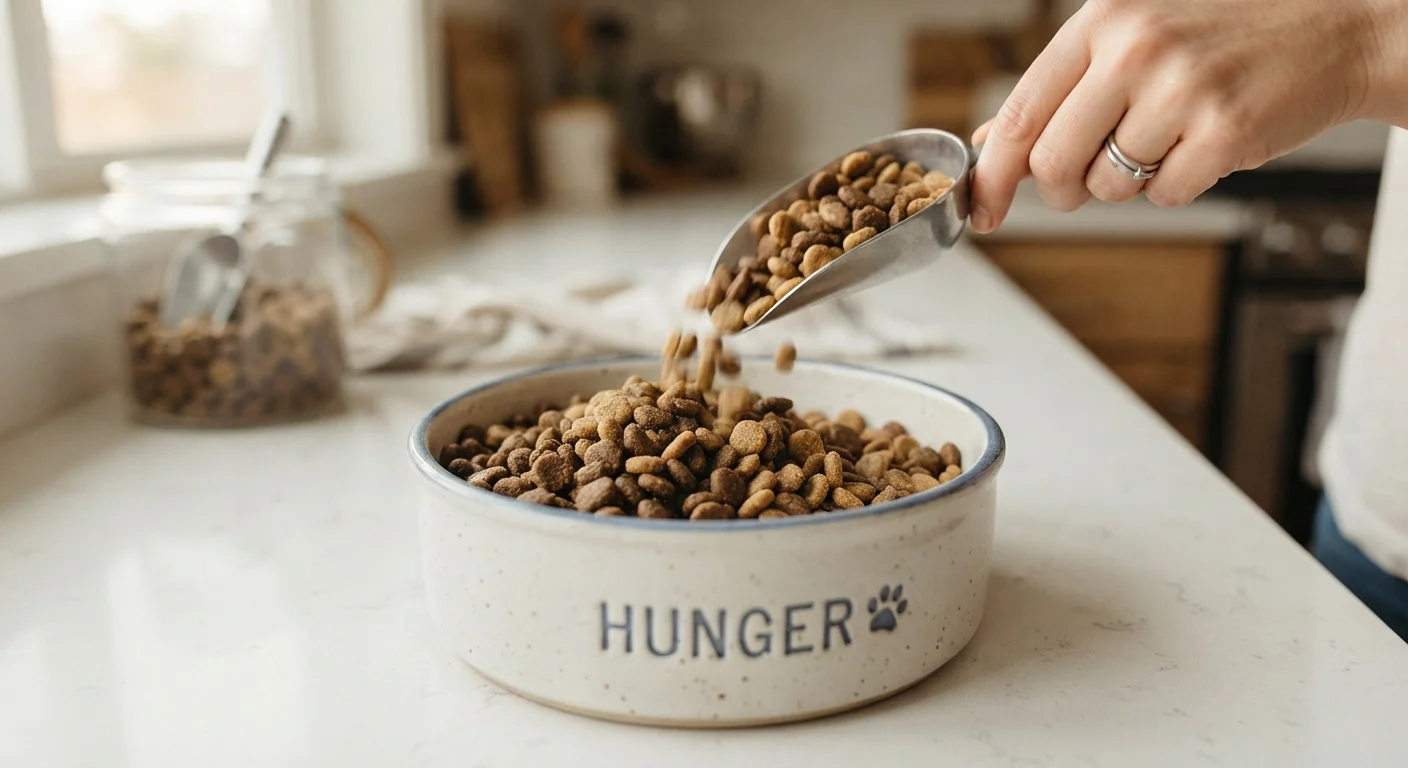
Transitioning Your Pet to a New Food Without Digestive Upset
Switching foods too fast is one of the most common causes of pet stomach trouble. A practi…
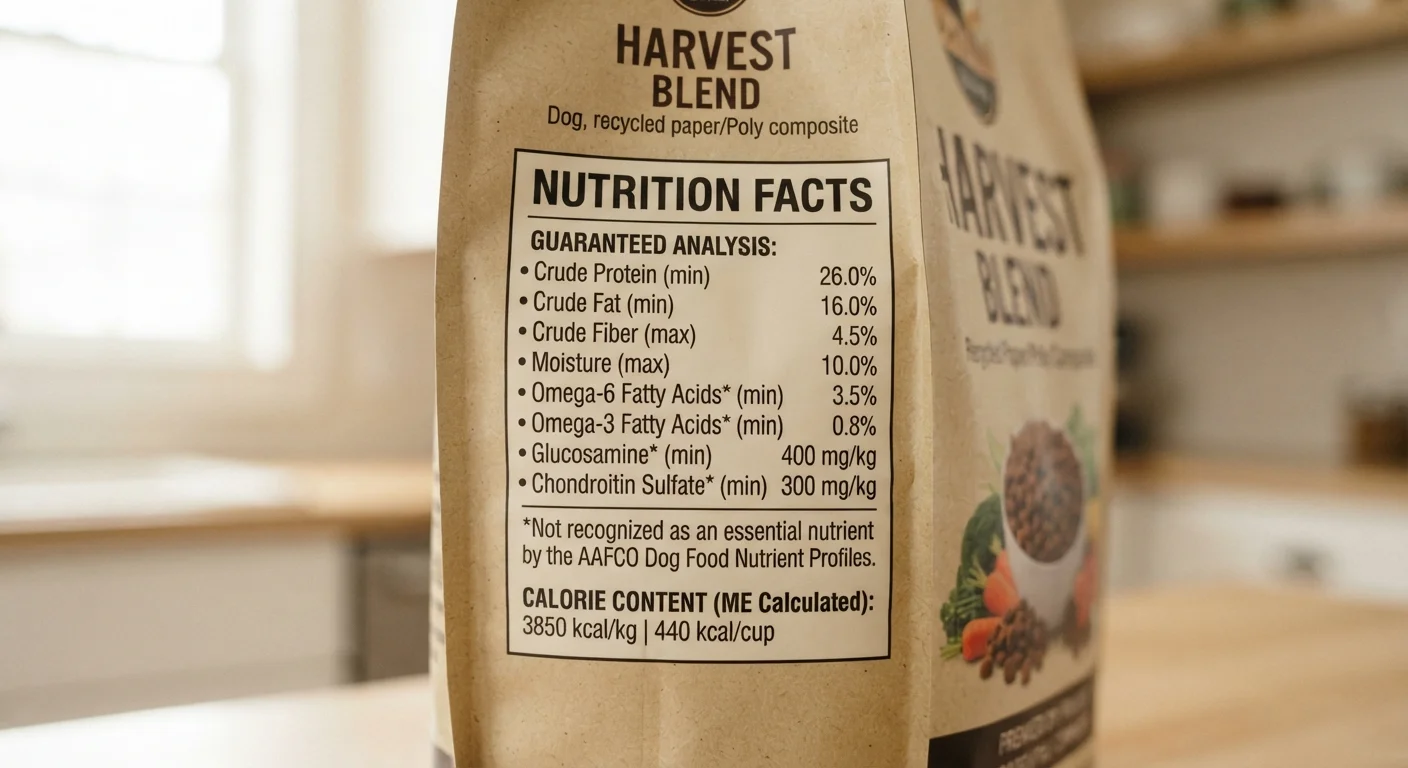
What AAFCO Actually Means - and Why It Appears on Every Pet Food Bag
AAFCO sets the nutritional standards most U.S. pet foods must meet. Here's what those stat…

Why Your Pet Is Gaining Weight Even on a 'Healthy' Diet
Overfeeding healthy food is still overfeeding. These are the quiet feeding habits that cau…