
Key Takeaways
- Feeding high-quality food in excessive amounts still causes weight gain in pets.
- Treats, toppers, and table scraps add hidden calories that most owners underestimate.
- Caloric needs shift with age, activity level, and reproductive status — labels rarely reflect this.
- Free-feeding and inconsistent portions are among the most common drivers of gradual obesity.
- Regular weigh-ins and veterinary body condition assessments are essential for catching creep early.
Why 'Healthy' Food Doesn't Prevent Weight Gain
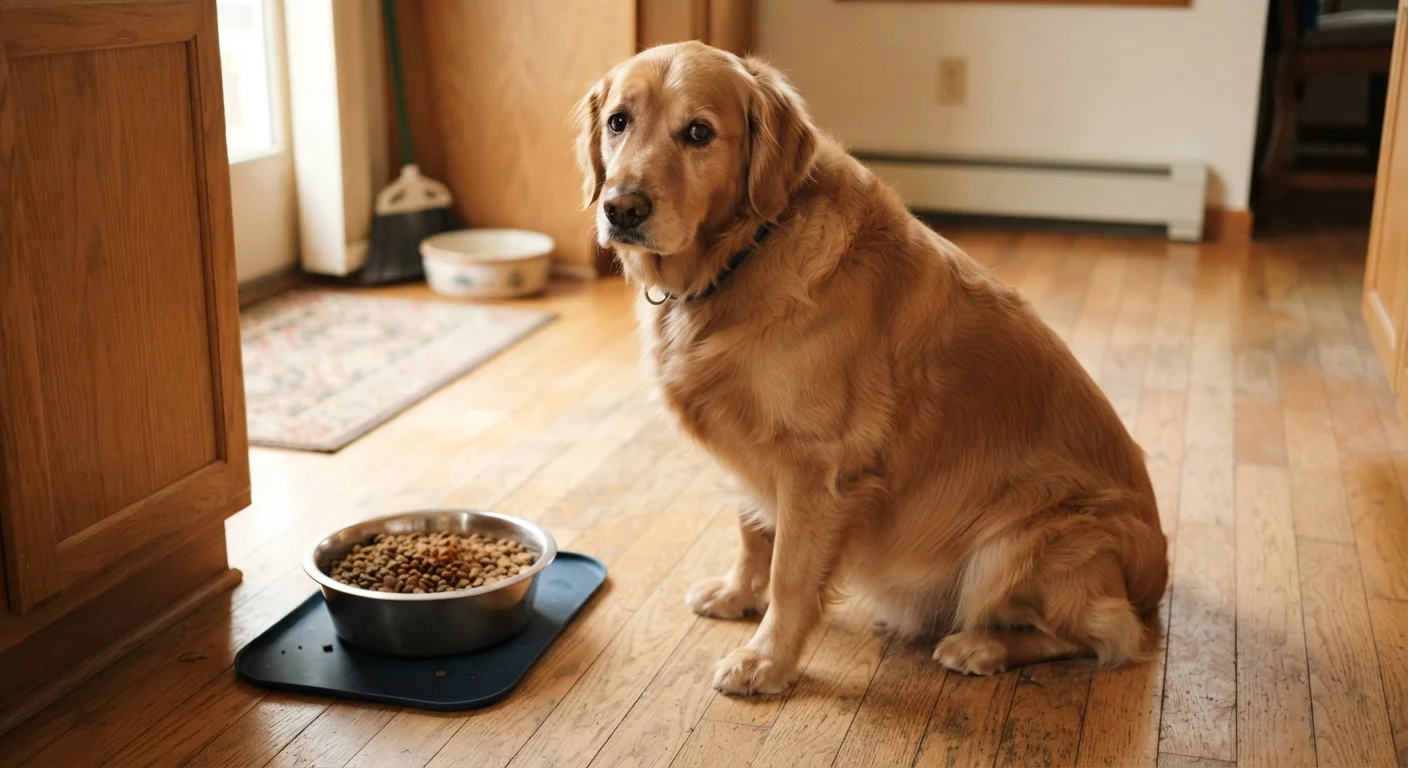
The quality of your pet's food matters — but so does quantity. A diet built around wholesome ingredients can still deliver far more calories than your dog or cat needs each day, particularly when portions are estimated loosely or treats are treated as extras outside the calorie count.
Weight gain in pets is almost always gradual. A few extra kibbles per meal, a daily treat or two, and occasional table scraps can add up to hundreds of surplus calories per week without triggering any obvious alarm. By the time the weight is visible, the habits behind it are usually well established. Understanding why pets gain weight and the health risks involved is the first step toward addressing it honestly.
59%
Dogs classified as overweight or obese
According to the Association for Pet Obesity Prevention's clinical surveys, more than half of dogs seen in U.S. veterinary practices are above their ideal body weight.
20–30%
Typical portion underestimate by owners
Research in veterinary nutrition consistently shows that owners using volume-based estimation pour significantly more food than intended compared to weighed portions.
The mistakes below reflect the feeding habits most commonly identified by veterinary nutritionists as contributors to creeping obesity — even in households where owners believe they are doing everything right.
The Most Common Feeding Mistakes Behind Hidden Weight Gain
Eyeballing portions instead of measuring them accurately.
Why it happens: Most owners develop an intuitive sense of 'about right' after a few weeks of feeding, but visual estimates consistently run 20–50% over the intended amount.
Treating treats as calorie-free rewards rather than part of the daily food budget.
Why it happens: Treats feel separate from meals psychologically, making it easy to overlook how much they contribute. In many households, treats account for 20% or more of a pet's daily calorie intake.
Not adjusting portions as a pet ages or becomes less active.
Why it happens: A feeding routine set when a dog was young and energetic often stays unchanged for years, even as the animal slows down and its metabolic rate drops. As covered in our guide on feeding dogs across life stages, nutritional needs shift significantly over time.
Free-feeding dry food without monitoring total daily intake.
Why it happens: Leaving food out all day is convenient and feels natural, but many pets — especially cats — will graze past their caloric needs when food is always available.
Adding wet food, toppers, or broth without recalculating total calories.
Why it happens: Owners add palatability boosters to encourage eating or as a treat, often without realizing these additions carry real caloric value on top of the base meal.
Assuming a 'premium' or 'natural' label means the food is lower in calories.
Why it happens: Marketing language around pet food creates an impression that higher-quality ingredients are automatically more diet-friendly. As explained in our overview of common pet nutrition myths, label claims rarely translate directly into health outcomes.
Weight Gain Has Serious Health Consequences
Excess body weight in dogs and cats is linked to joint degeneration, type 2 diabetes, heart strain, and reduced life expectancy. This is not a cosmetic issue. If your pet has gained noticeable weight, consult your veterinarian before making major changes to their diet or activity level.
If your pet's weight has been trending upward despite a seemingly appropriate diet, one or more of these patterns is likely in play. The foundational principles of pet nutrition make clear that accurate portioning is just as important as ingredient quality.
Bag Feeding Guidelines Are Not Prescriptions
Feeding instructions printed on pet food packaging are general estimates based on average animals. They do not account for your individual pet's metabolism, activity level, age, or health status. Using them as a default without adjustment is one of the most common causes of gradual overfeeding.
Building Better Habits That Last
Correcting a pet's weight doesn't require dramatic diet overhauls. In most cases, consistent measurement, treating treats as part of the caloric budget, and scheduling a body condition assessment with your veterinarian will identify the adjustments needed.
Weighing your pet monthly — using a baby scale at home or a scale at the vet clinic — gives you objective data that makes changes easy to spot early. A veterinarian can also assign a body condition score, a standardized assessment far more informative than weight alone. The feeding habits consistently linked to healthier dog lives are not complicated, but they do require intentional consistency.
Always consult your veterinarian before significantly reducing your pet's food intake, especially if weight gain has been rapid or is accompanied by other changes in energy, thirst, or coat condition. Some causes of weight gain have underlying medical explanations that diet changes alone will not resolve.
This article is for general informational purposes only and does not constitute veterinary or medical advice. Always consult a qualified veterinarian regarding your individual pet's health and nutrition needs.