

Key Takeaways
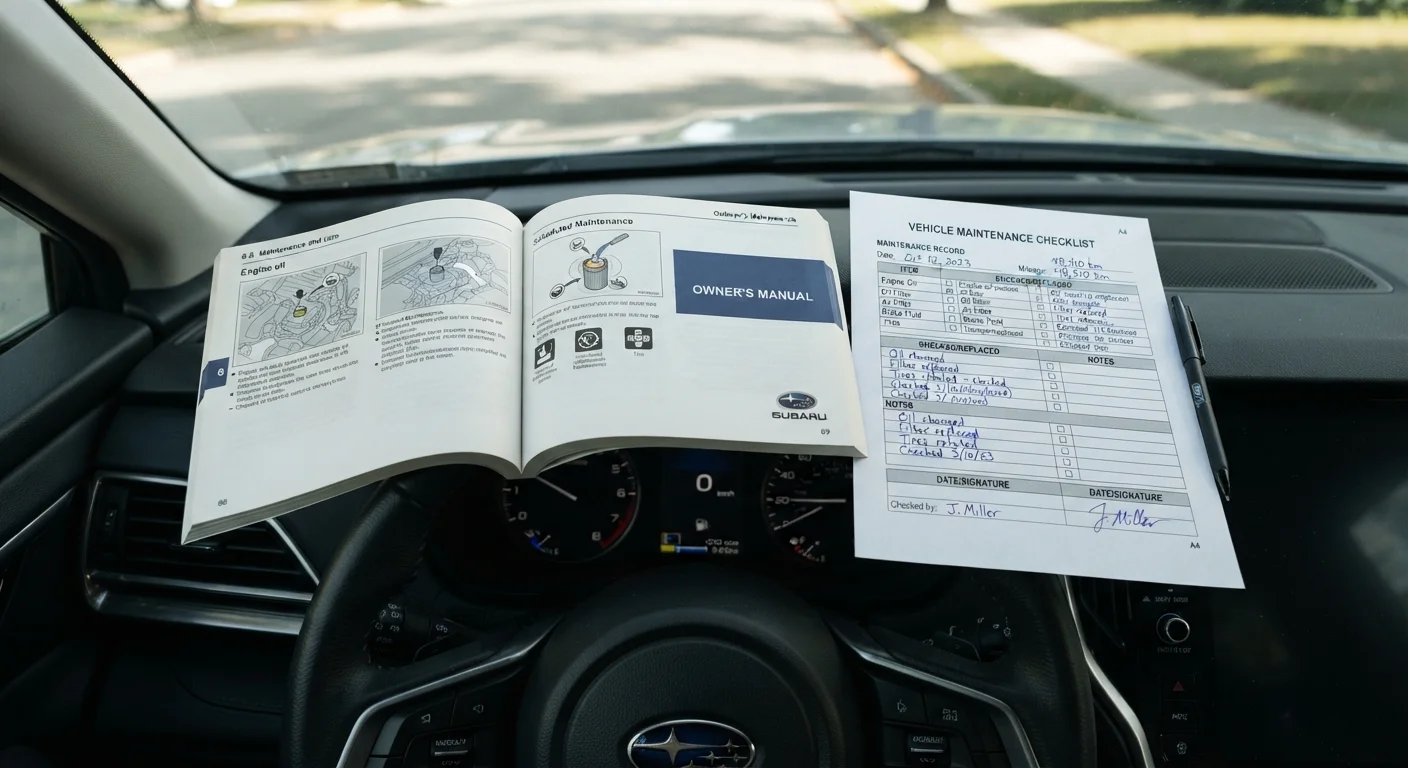
- Every vehicle has a manufacturer-specified maintenance schedule found in the owner's manual.
- Intervals are based on both mileage and time - whichever milestone arrives first applies.
- Skipping scheduled services can void warranties and lead to costly repairs down the road.
- Many modern vehicles have onboard maintenance reminder systems, but the owner's manual remains the authoritative source.
- Keeping a service log documents your car's health and can support resale value.
Scheduled Maintenance Plan
A scheduled maintenance plan is the manufacturer's recommended timetable for servicing your vehicle at specific mileage or time intervals. It covers tasks like oil changes, filter replacements, fluid checks, and major inspections. Following it helps your car run safely and reliably over its full lifespan.
Maintenance intervals are typically expressed as both mileage thresholds (e.g., every 5,000 miles) and time limits (e.g., every 6 months), whichever comes first - meaning low-mileage drivers can still fall due for service based on elapsed time alone.
What a Maintenance Schedule Actually Is
Every vehicle that rolls off an assembly line comes with a schedule its engineers designed specifically for that engine, drivetrain, and set of components. This isn't generic advice - it reflects how materials wear, how fluids degrade, and how long filters last under normal operating conditions for that particular vehicle.
The schedule lives in your owner's manual and is typically organized in two ways: by mileage intervals (every 5,000 miles, 30,000 miles, 60,000 miles, etc.) and by time elapsed (every six months, every two years). The rule is to follow whichever threshold arrives first. A driver who puts only 4,000 miles on their car annually can still owe an oil change based on the six-month time limit.
Maintenance schedules generally fall into two tiers. The first covers routine, frequently recurring tasks - oil and filter changes, tire rotations, air filter inspections. The second covers less frequent but higher-stakes services: spark plug replacement, transmission fluid, coolant flush, timing belt inspection. Missing the first tier inconveniences your car; missing the second can disable it. Learn more about commonly skipped maintenance tasks and the damage they can cause.
Start With Your Glove Compartment
Before searching online for your car's service schedule, check the glove compartment for the owner's manual - it's the most reliable source for your specific model year and trim. If the manual is missing, most automakers make digital versions available through their official websites or through the NHTSA vehicle database.
How to Read the Schedule in Your Owner's Manual
Most owner's manuals organize maintenance in one of two formats: a straightforward mileage-interval table, or a "Maintenance Minder" style system where the vehicle's onboard computer generates a code indicating what service is due. If your car uses the latter, the manual will include a key decoding what each code means.
Look for two schedules within the same manual - one labeled Normal and one labeled Severe or Special Operating Conditions. Severe conditions include frequent short trips under five miles, stop-and-go traffic, towing or hauling heavy loads, extreme temperature environments, or driving on dirt or dusty roads. If any of these describe your typical driving, the more frequent severe schedule likely applies to you - even if it feels aggressive.
Pay close attention to the distinction between inspect and replace. Some items are scheduled for periodic inspection first, with replacement triggered by condition rather than a fixed interval. Brake pads are a common example: they're inspected on a schedule, then replaced when wear dictates.
5,000-10,000 mi
Typical modern oil change interval
Most manufacturer schedules for vehicles using full synthetic oil now recommend intervals well beyond the old 3,000-mile standard, according to automaker guidelines.
~$100-$150
Average cost of a timing belt replacement
The AAA estimates timing belt replacement typically ranges from roughly $100 to $750+ depending on vehicle make and labor rates - far less than an engine rebuild if the belt fails.
2 schedules
Normal vs. severe driving intervals
Nearly every manufacturer's maintenance plan includes separate intervals for normal and severe driving conditions; many everyday drivers qualify for the more frequent severe schedule.
Why Sticking to the Schedule Matters
Manufacturers calibrate maintenance intervals to keep components within safe operating tolerances. Letting engine oil go too long breaks down its lubricating properties, increasing friction and heat. An overdue air filter restricts airflow, reducing combustion efficiency and fuel economy. These effects compound: a slightly neglected car becomes a more neglected car with each skipped service.
Beyond mechanical wear, there's a financial case. Many new-vehicle warranties require documented adherence to the manufacturer's schedule. Skipping services - especially if you can't prove they were done - can give an automaker grounds to deny a warranty claim on a related component. The real cost of vehicle ownership includes both routine maintenance and the larger repairs that often follow from skipping it.
There's also a safety dimension. Items like brake fluid, tires, and belts aren't just mechanical conveniences - they're safety-critical. Brake fluid absorbs moisture over time, which lowers its boiling point and can compromise braking performance. Timing belts that snap due to being overdue can cause severe engine damage and, in some situations, sudden loss of power. Understanding what your warning lights mean can help bridge the gap between scheduled intervals.
Keeping a Record and Staying on Track
A maintenance log - whether a folder of paper receipts or a notes app on your phone - gives you a clear picture of what's been done and what's coming due. It also protects you: if a warranty claim ever arises, service records are your evidence of compliance.
Most modern vehicles include an onboard maintenance reminder system that tracks mileage and sometimes driving conditions to prompt you when service is due. These systems are convenient, but treat them as alerts rather than replacements for the owner's manual. They don't always account for time-based intervals or every item on the schedule.
Pairing your maintenance schedule with seasonal awareness adds another layer of preparedness. Certain services align naturally with seasonal transitions - checking coolant before winter, inspecting tires before summer road trips. Our guide on seasonal car care walks through what to check before each season arrives. And for tasks you're considering handling yourself, DIY vs. professional service can help you make an informed call.
Routine Maintenance Prevents Larger Bills
Studies of repair cost data consistently show that deferred maintenance is a leading contributor to unplanned repair expenses. While individual service costs vary by vehicle and region, the pattern is clear: small, timely services are almost always less expensive than the repairs that follow from skipping them. See our overview of routine maintenance tasks that prevent expensive repairs for a closer look.