

Key Takeaways
- Raised beds give you direct control over soil quality, which is their single biggest advantage.
- Upfront material and soil costs are significantly higher than in-ground planting.
- Faster drainage is a double-edged feature — great in wet climates, demanding in dry ones.
- Ergonomic benefits are real: less bending means less physical strain during routine care.
- Beds require thoughtful watering systems to avoid chronic underwatering in summer heat.
Full control over soil quality from day one
You fill raised beds with a custom mix rather than fighting native clay or compacted subsoil. This makes them especially valuable in yards where in-ground soil is poor or heavily contaminated.
Excellent drainage in wet or heavy-clay conditions
Elevated growing medium drains freely, preventing the waterlogged roots that kill plants in poorly draining native soils. This is a meaningful advantage in regions with heavy spring rainfall.
Fewer weeds with less ongoing effort
Filling with weed-free soil mix dramatically reduces the weed seed bank from the start. Persistent perennial weeds from below can be further blocked by laying cardboard or landscape fabric underneath before filling.
Easier on your back and knees
Beds built at a height of 12–24 inches reduce the need to kneel or bend repeatedly during planting, weeding, and harvesting — a significant ergonomic benefit for older gardeners or those with mobility limitations.
Warmer soil temperatures mean earlier planting
Raised bed soil warms up faster in spring than in-ground soil, which can extend your growing season by several weeks in cooler climates — a real advantage for short-season vegetables.
Defined boundaries deter some garden pests
The physical structure makes it easier to add row covers, hardware cloth bottoms (to block voles and moles), or simple hoops for frost protection compared to sprawling in-ground plots.
High upfront cost for materials and soil
Building a single 4×8-foot bed and filling it with quality soil mix can cost anywhere from $100 to several hundred dollars depending on materials chosen. Scaling up to multiple beds multiplies this cost quickly.
Soil dries out faster, demanding frequent watering
The relatively small soil volume and air exposure on all sides means raised beds can dry out within a day or two in hot weather. Without a consistent watering system, plants suffer more quickly than they would in-ground.
Wood frames eventually rot and need replacing
Even rot-resistant woods like cedar have a finite lifespan — typically 10–20 years depending on climate and moisture exposure. Budget for eventual material replacement as part of the long-term cost.
Soil volume shrinks and needs annual replenishment
Organic matter in the soil mix breaks down each season, causing the bed to settle. Topping off with compost each year is necessary to maintain productivity — an ongoing material cost.
Not practical for large-scale growing
If your goal is a substantial vegetable garden covering hundreds of square feet, the cost and labor of building and filling multiple raised beds quickly outpaces what in-ground planting would require.
Our Verdict
Raised beds are a genuinely effective gardening setup — not a gimmick — but they reward homeowners who plan carefully and budget honestly. The soil control, drainage, and weed suppression benefits are real, while the cost, watering demand, and setup effort are equally real downsides that deserve upfront attention.
Raised beds are best suited to homeowners dealing with poor native soil, limited mobility, or a desire for a defined, low-weed growing space — especially those willing to invest in a good irrigation setup.
Why Raised Beds Have Become So Popular
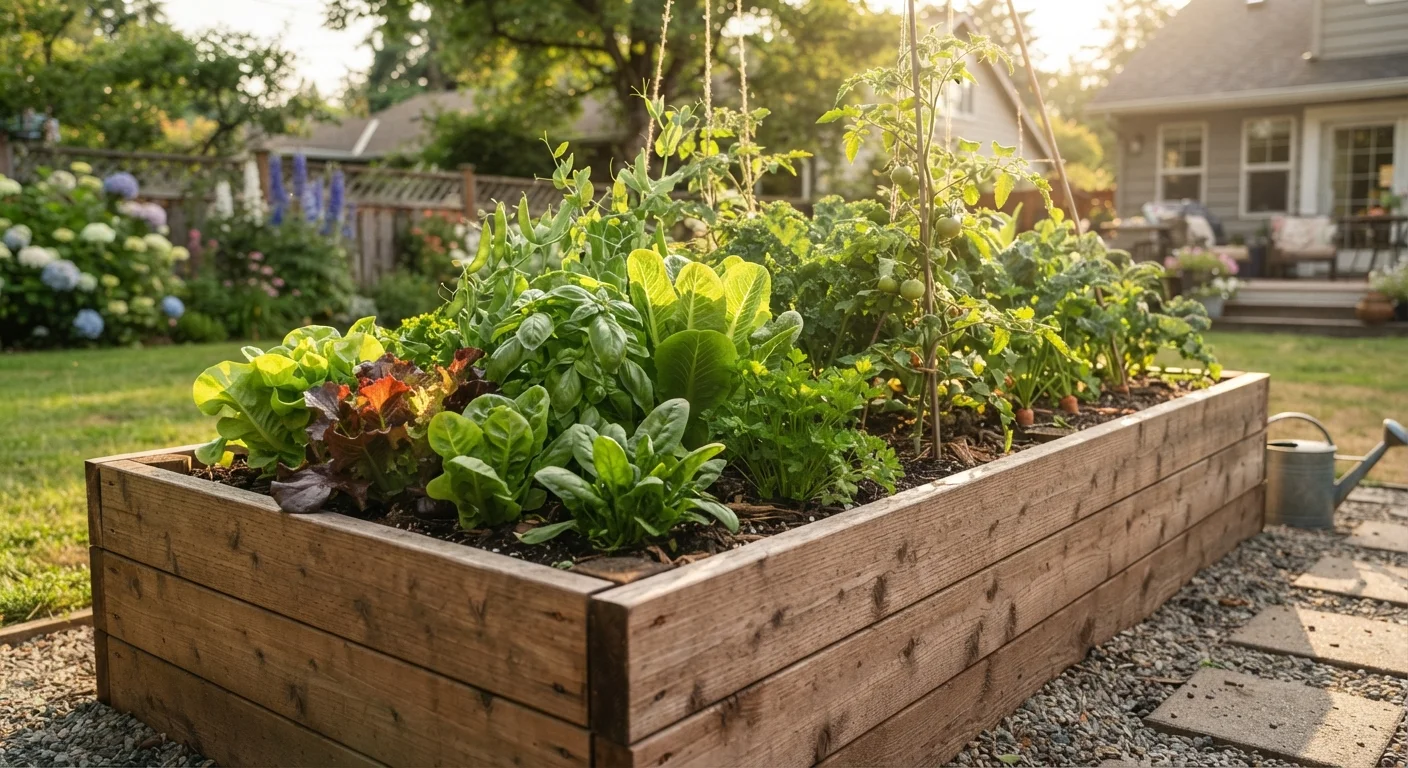
Walk through almost any suburban neighborhood today and you'll spot at least a few raised garden beds tucked into backyards. They've grown from a niche gardening technique into a mainstream choice, and for understandable reasons: they look tidy, they're modular, and they promise a degree of control that in-ground planting rarely offers straight out of the box.
But popularity doesn't always equal fit. Whether a raised bed is right for your yard depends on your soil conditions, budget, climate, and how much ongoing maintenance you're genuinely prepared to take on. Before you order lumber or fill, it's worth understanding what you're actually committing to. If you're still deciding between formats entirely, the raised beds vs. in-ground planting comparison covers those trade-offs in depth.
The Real Advantages of Raised Garden Beds
Raised beds offer several concrete benefits — not marketing claims, but practical outcomes that experienced gardeners consistently report.
Full control over soil quality from day one
You fill raised beds with a custom mix rather than fighting native clay or compacted subsoil. This makes them especially valuable in yards where in-ground soil is poor or heavily contaminated.
Excellent drainage in wet or heavy-clay conditions
Elevated growing medium drains freely, preventing the waterlogged roots that kill plants in poorly draining native soils. This is a meaningful advantage in regions with heavy spring rainfall.
Fewer weeds with less ongoing effort
Filling with weed-free soil mix dramatically reduces the weed seed bank from the start. Persistent perennial weeds from below can be further blocked by laying cardboard or landscape fabric underneath before filling.
Easier on your back and knees
Beds built at a height of 12–24 inches reduce the need to kneel or bend repeatedly during planting, weeding, and harvesting — a significant ergonomic benefit for older gardeners or those with mobility limitations.
Warmer soil temperatures mean earlier planting
Raised bed soil warms up faster in spring than in-ground soil, which can extend your growing season by several weeks in cooler climates — a real advantage for short-season vegetables.
Defined boundaries deter some garden pests
The physical structure makes it easier to add row covers, hardware cloth bottoms (to block voles and moles), or simple hoops for frost protection compared to sprawling in-ground plots.
The soil control benefit deserves special emphasis. Most American yards have native soil that ranges from adequate to genuinely hostile — heavy clay, compacted subsoil from construction, or sandy ground that sheds nutrients quickly. A raised bed lets you start with a purpose-built mix rather than spending years amending what's already there. For a deeper look at what makes garden soil productive in the first place, see Soil Health 101.
The Downsides You Should Know Before You Build
Raised beds are not a set-and-forget solution. The same features that make them appealing create maintenance obligations that in-ground gardens simply don't have to the same degree.
High upfront cost for materials and soil
Building a single 4×8-foot bed and filling it with quality soil mix can cost anywhere from $100 to several hundred dollars depending on materials chosen. Scaling up to multiple beds multiplies this cost quickly.
Soil dries out faster, demanding frequent watering
The relatively small soil volume and air exposure on all sides means raised beds can dry out within a day or two in hot weather. Without a consistent watering system, plants suffer more quickly than they would in-ground.
Wood frames eventually rot and need replacing
Even rot-resistant woods like cedar have a finite lifespan — typically 10–20 years depending on climate and moisture exposure. Budget for eventual material replacement as part of the long-term cost.
Soil volume shrinks and needs annual replenishment
Organic matter in the soil mix breaks down each season, causing the bed to settle. Topping off with compost each year is necessary to maintain productivity — an ongoing material cost.
Not practical for large-scale growing
If your goal is a substantial vegetable garden covering hundreds of square feet, the cost and labor of building and filling multiple raised beds quickly outpaces what in-ground planting would require.
Watering is where many raised bed gardeners get caught off guard in their first summer. Because the soil volume is relatively small and surrounded by air on all sides, it dries out much faster than in-ground beds — sometimes requiring daily watering during heat waves. A drip irrigation system is often the most practical answer; the drip irrigation vs. sprinkler systems guide can help you weigh your options.
Practical Tips for Getting the Most Out of a Raised Bed
If you've weighed the trade-offs and a raised bed makes sense for your situation, a few decisions early on will save significant frustration later.
- Size wisely: A bed no wider than 4 feet allows you to reach the center from either side without stepping in — which is the whole point of keeping the soil uncompacted.
- Invest in the soil mix upfront: A blend of quality compost, topsoil, and coarse material (such as perlite or aged bark) gives roots the structure and drainage they need from day one. Skimping here undermines the bed's primary advantage.
- Plan your watering before you plant: Retrofitting drip irrigation around established plants is awkward. Lay soaker hose or drip lines before seedlings go in.
- Choose materials that suit your climate: Untreated wood will eventually decompose; rot-resistant options like cedar or composite boards last longer but cost more. Avoid wood treated with older preservatives that may leach into food-growing soil — check current guidance from your local cooperative extension office.
A Note on Wood Treatment and Food Safety
Older pressure-treated lumber used preservatives that are no longer approved for residential use near food crops. Current formulations approved for ground contact are considered safer, but guidance continues to evolve. Before selecting any treated wood for a vegetable bed, check current recommendations from your local cooperative extension service or the EPA. When in doubt, untreated cedar, redwood, or composite lumber is a straightforward alternative.
For homeowners who find raised beds still too costly or high-maintenance, container gardening offers a flexible and lower-commitment alternative, especially on patios or paved areas.