

Key Takeaways
- Caulk belongs at joints that flex — where two different materials meet or where surfaces move seasonally.
- Grout fills the gaps between tiles and is rigid by design; it is not a substitute for caulk at corners or transitions.
- Weatherstripping seals the movable gaps around doors and windows and wears out through repeated use.
- Each material has predictable failure signs: cracking and peeling for caulk, crumbling or staining for grout, and compression loss or tearing for weatherstripping.
- Using the wrong material in the wrong location accelerates failure and can allow water or air infiltration.
Caulk, Grout, and Weatherstripping
Caulk, grout, and weatherstripping are three distinct sealing materials used in different parts of a home to block moisture, air, and debris. Caulk is a flexible sealant applied to gaps between surfaces that move or expand. Grout is a rigid filler used between tiles to hold them in place and resist water. Weatherstripping is a physical barrier — typically foam, rubber, or vinyl — installed around doors and windows to stop drafts and air infiltration.
Each material is engineered for a specific stress type: caulk handles movement and flex, grout manages compression and static load, and weatherstripping manages repeated mechanical compression from opening and closing.
What Caulk Is and Where It Belongs
Caulk is a flexible, paste-like sealant that fills gaps between surfaces prone to slight movement — expansion from heat, contraction from cold, or settling over time. Because it cures into a rubbery solid, it can accommodate that flex without cracking.
Common locations for caulk include:
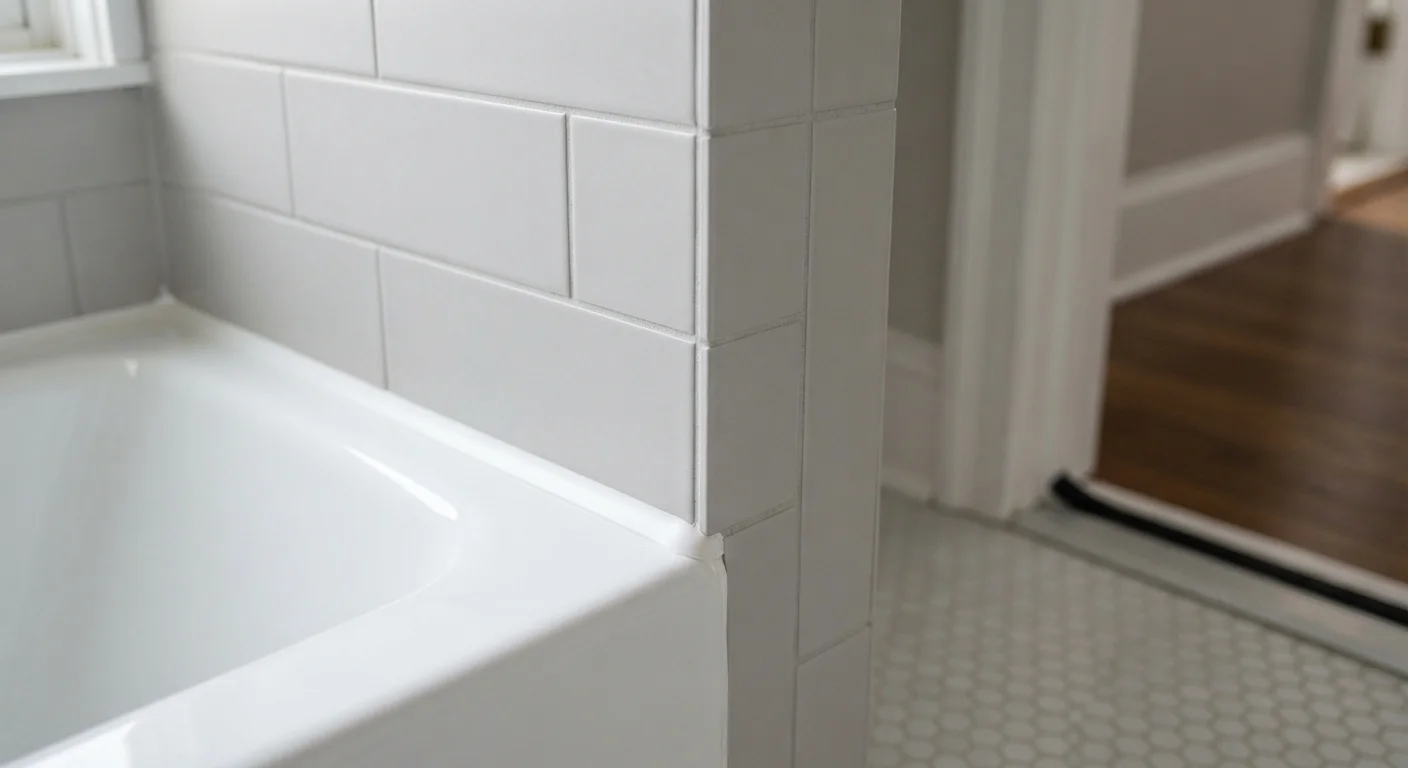
- Where a bathtub or shower pan meets the tile wall
- Around sink basins and kitchen countertop edges
- Along baseboards and window trim where they meet drywall
- Exterior gaps around window and door frames
- Where pipes or cables penetrate walls or floors
Formulations matter. Silicone caulk is the most water-resistant and durable, making it ideal for kitchens and bathrooms. Latex or acrylic caulk is easier to tool and paintable, suited for interior trim work. For exterior applications, look for products rated for UV exposure and temperature swings.
Prep the Surface Before Re-Caulking
Applying fresh caulk over old caulk is one of the most common mistakes homeowners make. The new bead will bond to the degraded old material rather than the clean surface, and it will peel away just as fast. Use a caulk remover tool or utility knife to fully strip the old bead, wipe the surface with rubbing alcohol, and let it dry completely before applying the new caulk.
When caulk fails: Look for shrinkage gaps, peeling edges, a chalky or crumbly texture, or visible mold embedded in the bead. Caulk that has separated from one surface — leaving a visible crack along one side — is no longer sealing. It needs to be fully removed and reapplied, not patched over. See how to read early moisture signals before they escalate into bigger issues.
What Grout Is and Where It Belongs
Grout fills the joints between tiles. Unlike caulk, it is rigid — typically cement-based or epoxy-based — and is designed to hold its shape under compression and foot traffic. It is not meant to flex.
Grout serves two functions: it locks tiles in position relative to each other, and it creates a surface that slows moisture from seeping beneath the tile into the substrate below. It does not make a tile installation waterproof on its own — that job belongs to the waterproofing membrane underneath.
Up to 30%
Home energy lost through air leaks
The U.S. Department of Energy estimates that drafts and air infiltration around windows, doors, and other openings can account for up to 30% of a home's heating and cooling energy use.
1–5 years
Typical weatherstripping lifespan
The lifespan of weatherstripping varies widely by material type and usage frequency; foam tape often degrades in under a year on busy doors, while rubber bulb seals can last five years or more.
5–10 years
Expected lifespan of quality caulk
High-quality silicone caulk in well-prepared, low-movement joints can last up to a decade, though bathroom and kitchen caulk in high-moisture environments should be inspected annually.
Grout comes in two primary categories:
- Cement-based grout
- The most common type, available in sanded (for joints wider than 1/8 inch) and unsanded (for narrow joints) versions. It is porous and benefits from sealing.
- Epoxy grout
- More water- and stain-resistant, but also harder to work with and typically more expensive. Often used in commercial kitchens and wet commercial spaces.
When grout fails: Crumbling, hollow-sounding sections, persistent dark staining despite cleaning, and visible cracking are all signs of grout breakdown. Cracked grout in the field (the flat tile surface) is regroutable. Cracked grout at corners and plane changes — where the floor meets the wall, for instance — is a sign the wrong material was used. Those joints should have flexible caulk, not grout.
What Weatherstripping Is and Where It Belongs
Weatherstripping is the physical barrier installed around movable openings — primarily exterior doors and operable windows — to stop conditioned air from escaping and outside air, water, dust, and insects from entering. Unlike caulk and grout, which are applied once and expected to stay put, weatherstripping is designed to compress and decompress repeatedly every time a door or window opens and closes.
Common weatherstripping types include:
- Foam tape: Self-adhesive, inexpensive, and easy to install. Compresses well but degrades faster than other types, especially in high-use doors.
- V-strip (tension seal): A folded plastic or metal strip that springs open to fill gaps. Durable and effective for the sides of doors and double-hung windows.
- Door sweeps: Attached to the bottom of a door to seal the gap between the door and threshold. Available in brush, rubber, and vinyl versions.
- Bulb or Q-lon seals: Rubber or foam tubes that compress against the door stop. Long-lasting when quality materials are used.
When weatherstripping fails: Flat, torn, or missing sections are obvious. Subtler signs include visible light around a closed door frame, drafts near windows on cold days, or higher-than-usual utility bills that coincide with older doors and windows. For a broader look at how air sealing fits into overall home efficiency, consider reviewing how insulation and air barriers work together.
For a direct comparison of when to reach for caulk versus weatherstripping on any given gap, see choosing the right seal for the right gap.
Weatherstripping and Energy Efficiency
Replacing worn weatherstripping is one of the lower-cost ways to reduce air infiltration in an existing home. However, it works alongside — not instead of — adequate insulation and properly sealed wall penetrations. For a more complete picture of how air barriers and insulation interact, see how attic insulation affects overall home performance.
Why Using the Wrong Material Causes Early Failure
One of the most common DIY mistakes is using these three materials interchangeably. Grout applied at a tub-to-tile joint will crack within months because the tub flexes under weight. Caulk applied across a wide tile field won't have the structural stiffness grout provides and will dip and compress unevenly. Caulk applied to the gap a door sweep should fill won't survive even a single door cycle.
Each material is engineered for a specific stress environment. Matching material to location isn't a matter of preference — it determines how long the seal lasts and whether it keeps doing its job.
If you're noticing moisture damage or peeling paint alongside these failures, those symptoms are worth investigating further. Reading your home's early warning signs can help you trace the source before it spreads.