

Key Takeaways
- A single missing shingle can allow water infiltration that damages decking, insulation, and ceilings within months.
- Most serious roof damage originates from ignored small issues like cracked flashing, lifted edges, or blocked drainage.
- Annual visual inspections and prompt minor repairs are the most cost-effective way to extend roof life.
- Interior water stains are a lagging indicator — damage is typically further along than it appears.
- Some roof repairs require a licensed contractor; know when to DIY and when to call a professional.
The Chain Reaction Nobody Expects
Most homeowners don't worry about a single lifted shingle or a hairline crack in the flashing around a chimney. It looks minor. It probably isn't leaking yet. And the roof, as a whole, seems fine. That reasoning is exactly how small problems become expensive ones.
Roofing materials are designed to work as an integrated system. When one component fails — even partially — it puts stress on adjacent materials, allows moisture to migrate into unexpected areas, and creates conditions for mold, rot, and structural damage. The repair bill doesn't reflect the cost of the original defect; it reflects every layer of damage that accumulated while the defect sat unaddressed.
Understanding why this chain reaction happens is the first step to interrupting it. The mistakes below are the most common reasons homeowners end up paying far more than they ever needed to. For a broader look at the signals your home sends before problems become serious, see Reading Your Home Like a Pro.
Treating a missing or cracked shingle as a cosmetic problem.
Why it happens: Shingles protect the waterproof underlayment beneath them, but that underlayment can hold up to light exposure temporarily — making the damage feel non-urgent. Homeowners often assume that because there's no visible drip, there's no active leak.
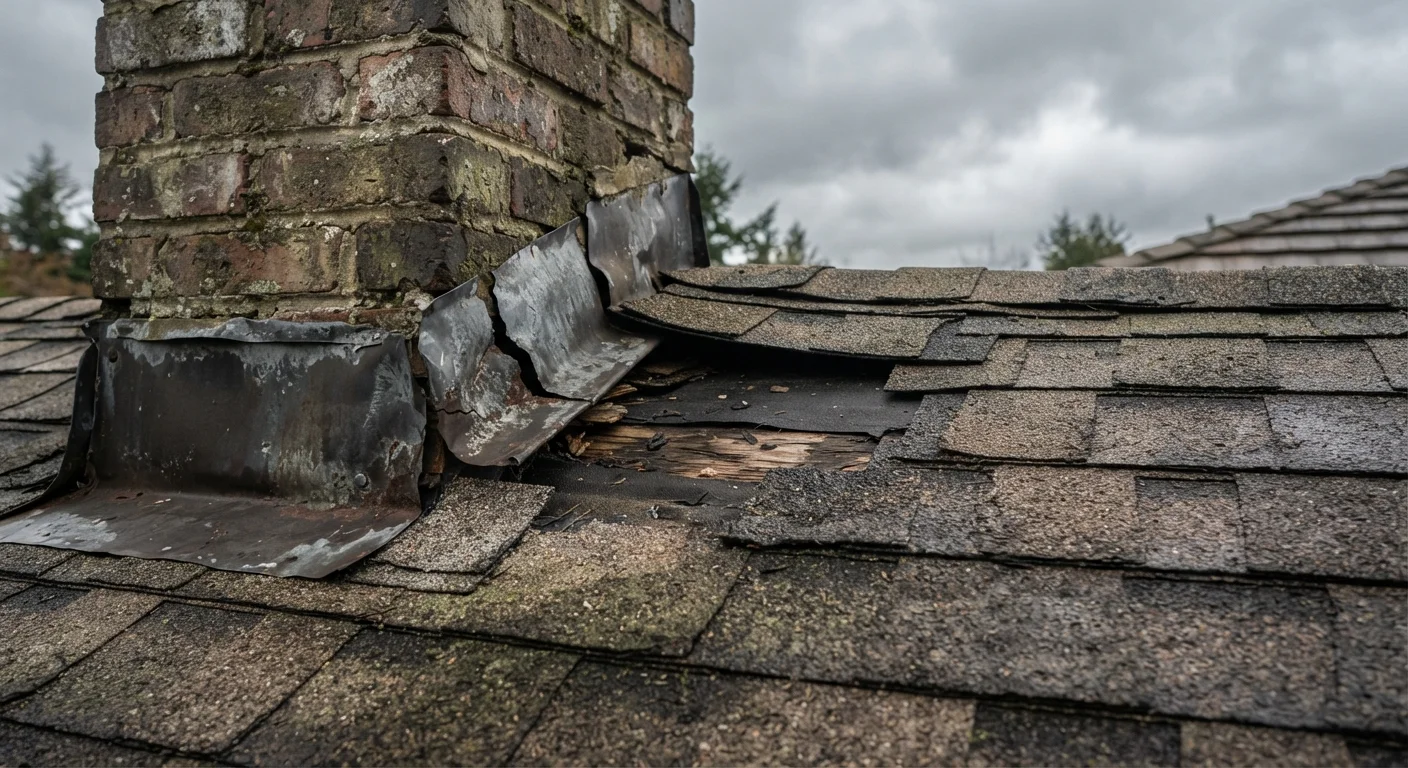
Ignoring cracked or separated flashing around chimneys, skylights, and vents.
Why it happens: Flashing is metal and looks durable, so homeowners assume it lasts as long as the shingles. In reality, the sealant and caulking around flashing degrades faster, and the metal itself can lift, crack, or separate from movement and temperature swings.
Delaying action because an interior water stain looks old or dry.
Why it happens: A stain that has dried and yellowed suggests the leak may have stopped on its own, which occasionally does happen after debris clears a blocked drainage path. This leads homeowners to adopt a 'wait and see' approach that allows moisture to continue penetrating unseen.
Letting debris accumulate in roof valleys and around penetrations.
Why it happens: Leaves, pine needles, and granules from aging shingles settle into the low points and joints of a roof, where they hold moisture against the surface. Because this isn't visible from the ground in most cases, it goes unnoticed for seasons at a time.
Assuming roof age alone determines whether repair or replacement is needed.
Why it happens: Many homeowners hear '20-year shingle' and assume a 15-year-old roof is either fine or already failing, without accounting for installation quality, ventilation, climate exposure, or maintenance history.
What Proactive Roof Care Actually Looks Like
Prevention doesn't require climbing onto your roof every weekend. A twice-yearly inspection — ideally in late spring and early fall — catches the vast majority of developing problems before they escalate. From the ground, scan with binoculars for lifted, curling, or absent shingles, discolored patches, and debris accumulation around vents and valleys.
~$1,000
Typical cost of minor roof repair
Industry estimates suggest a small, isolated shingle or flashing repair often costs under $1,000 when addressed early — compared to $10,000 or more once decking and interior damage are involved.
40%
Of homeowners skip annual roof inspections
Consumer surveys on home maintenance habits consistently find that a large share of homeowners have never had a professional roof inspection, despite roofs being one of the most consequential building systems.
Inside the attic, look for daylight coming through the decking, water staining on rafters, and any soft or spongy areas in the wood. These interior checks often reveal leaks that haven't yet produced a visible ceiling stain.
Flashing — the metal strips that seal joints around chimneys, skylights, and roof valleys — deserves particular attention. It's one of the most common failure points and one of the easiest areas for a qualified roofer to re-seal before a full replacement becomes necessary. For related sealing issues throughout your home, learn how caulk, grout, and weatherstripping work and when they fail.
Don't Walk an Unknown Roof Alone
DIY roof inspections are valuable, but walking on a pitched roof carries real fall risk. Use binoculars from the ground or a ladder at the eave level whenever possible. If you do access the roof, use appropriate fall protection equipment and never work alone. When in doubt about structural integrity, hire a professional inspector rather than risk personal injury.
Always ensure gutters and downspouts are clear and directing water well away from the foundation. Roof drainage and gutter health are deeply linked — a backed-up gutter can force water under roofing edges. Learn what routine gutter care actually involves before the next heavy rain season arrives.
First-time homeowners often deprioritize roof checks in favor of more visible projects. For a fuller list of the routine tasks that tend to get skipped, see Home Maintenance Tasks Every First-Time Owner Overlooks.
Some Repairs Require a Licensed Contractor
In many states, structural roof repairs, full replacements, and any work affecting fire-rated assemblies require a licensed roofing contractor and may require a building permit. Before beginning any significant roof project, check your local municipality's requirements. Unpermitted work can complicate home sales and may not be covered by homeowner's insurance in the event of a claim.