

Key Takeaways
- Packable doesn't mean the same thing across product categories — context matters.
- Compression size and packed weight are two different specs; check both.
- Packable gear involves tradeoffs in durability, warmth, or weather resistance.
- The term is most valuable for travelers prioritizing carry-on or daypack travel.
- Not every trip requires packable gear — matching gear to trip type saves money and frustration.
Packable
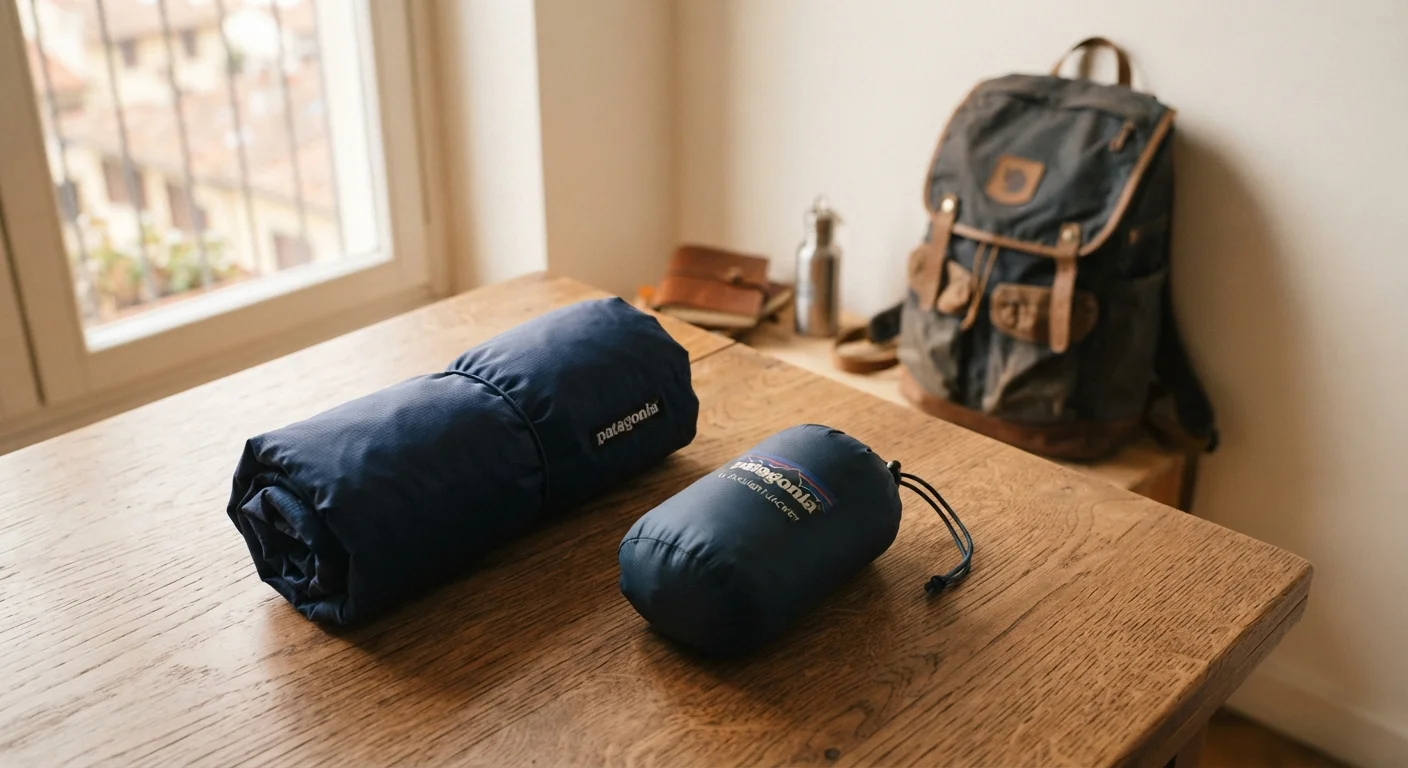
"Packable" refers to gear — jackets, bags, towels, blankets — designed to compress or fold down into a much smaller size for easy carrying or storage. The idea is that the item takes up minimal space when not in use, then expands to full function when needed. Think of a rain jacket that stuffs into its own chest pocket, or a daypack that collapses into a pouch the size of a paperback book.
Packability is typically achieved through lightweight, thin fabrics — often ripstop nylon or polyester — combined with minimal lining or insulation. The tradeoff is usually some reduction in durability, warmth, or weather protection compared to non-packable versions of the same item.
The Word 'Packable' Is a Marketing Term — Here's What It Actually Covers
Walk through any outdoor gear section and you'll see "packable" stamped on jackets, rain shells, daypacks, hats, and even travel towels. The word signals one idea: this item folds or rolls down small. But beyond that shared trait, packable products can vary dramatically in how they perform, how long they last, and whether the compression feature is actually worth anything to you.
There's no industry standard for what qualifies as packable. One jacket might compress to the size of a baseball; another might fold into a pouch but still take up a quarter of your carry-on. For travelers trying to pack lighter, understanding what sits behind the label matters more than the label itself.
Packable Doesn't Mean Multipurpose
A common misconception is that packable gear automatically pulls double duty — that a packable rain jacket, for instance, can replace both a windbreaker and a waterproof shell. In most cases, packable gear is purpose-built for one function compressed into a small package, not designed to replace several items at once. Clarifying the one job it needs to do makes selection much easier.
See our guide to packing for every climate for a deeper look at how fabric choices shape what you should bring.
The Two Specs That Actually Matter: Packed Size and Packed Weight
When evaluating packable gear, two numbers do the real work — and they're not the same thing.
- Packed size is how small the item compresses when stowed. This determines whether it fits in a jacket pocket, a daypack side pouch, or just a corner of your suitcase.
- Packed weight is how much the item weighs once compressed. A jacket that stuffs into a fist-sized pouch but weighs 14 oz is a very different proposition from one that packs similarly and weighs 6 oz.
Both specs matter, but they matter differently depending on your trip. A weekend road tripper might only care about packed size — keeping the jacket out of sight in a car door pocket. A carry-on-only traveler hopping between cities might prioritize packed weight above everything else.
~6 oz
Typical weight of a packable wind jacket
Many packable wind and rain jackets on the market weigh between 4 and 10 ounces, with most mid-range options clustering around 6 oz when packed.
1L or less
Packed volume of a compact stuff-sack jacket
Well-designed packable jackets compress to roughly 0.5–1 liter in volume — small enough to fit in a jacket pocket or a bag's water bottle sleeve.
2x–3x
Volume difference between packable and standard daypacks
A packable daypack typically collapses to a fraction of its expanded size, often fitting into a pouch roughly the size of a folded paperback book.
If you're refining your overall packing approach, packing strategies worth knowing covers how to weigh gear decisions within a full packing framework.
What Packable Gear Trades Away — and When That's Fine
Every packable item makes a tradeoff. The engineering that lets a jacket compress into its own pocket typically means thinner baffles, less insulation, or a single-layer shell without reinforced elbows. That's not a flaw — it's a design decision. The question is whether that tradeoff works for your specific use case.
Match the Gear to the Conditions — Not the Label
Before buying packable gear, write down the actual conditions you expect: weather range, daily load, how much you'll be on foot versus in transit. Packable items built for mild city travel aren't wrong — they're just wrong for a demanding hiking trip. Buying to your actual itinerary saves money and prevents gear disappointment on the road.
For outdoor adventure trips where conditions are demanding, a packable jacket might not replace your primary layer — but it earns its place as a packable backup. For city travel and mild weather, those same tradeoffs are completely irrelevant.
Packable daypacks are another common example. They collapse into a tiny pouch for transport, but they typically sacrifice frame support, padded shoulder straps, and load distribution. They're excellent for carrying a water bottle and a light layer on a walking tour; they're poorly suited for a full day of hiking with a camera, lunch, and rain gear. Matching the gear to the trip type is the whole game. The carry-on only mindset can help you think through whether packable gear is genuinely serving your trip or just adding a layer of complexity.
When Packable Gear Is Actually Worth It
Packable gear earns its keep in specific travel scenarios. Here's where it adds genuine value:
- Carry-on or personal item travel — Every cubic inch matters. A jacket that compresses to a stuff sack size of a grapefruit can be the difference between fitting your bag in the overhead bin or not.
- Variable weather destinations — When you're not sure if you'll need a layer, a packable jacket stashed in a daypack is far less burdensome than a full-size option.
- Multi-climate itineraries — Moving between warm and cold regions in a single trip means gear has to earn dual-purpose status. Packable layers are easier to deploy and tuck away as the climate shifts.
- Day trips from a base — A packable daypack stored flat in your main luggage expands into a functional bag for excursions without taking up meaningful space on travel days.
For travelers juggling varied conditions, packing strategies that adapt across trip types explores how to build a kit that handles shifting demands without overpacking.