

Key Takeaways
- Define how you'll actually use the space before investing in furniture or plants.
- Shade is often the single biggest factor in whether an outdoor space gets used.
- Durable, low-maintenance surfaces and clear pathways reduce friction and upkeep.
- Grouping plants by water and light needs saves time and keeps the garden healthier.
- Seasonal planning — from spring setup to fall cleanup — extends usable time outdoors.
Start with How You Actually Want to Use the Space
The most common outdoor design mistake is buying furniture and plants before deciding how the space will function. Before anything else, spend a few evenings outside and ask: Do you want a dining area? A quiet spot to read? Room for kids or pets to move around? Somewhere to grow food?
Sketch a rough layout — even a hand-drawn rectangle with zones labeled — before purchasing a single item. Think about traffic patterns: where do people naturally walk when they come outside? Those informal paths often tell you where a real pathway should go. Identify areas that already get used versus corners that everyone avoids.
If space is limited, layering uses matters. A raised planter along a fence doubles as a visual screen. A bench near a garden bed serves as both seating and a kneeling pad for maintenance. For paved or small spaces, container gardening can layer productive growing into areas that would otherwise be wasted.
Map Your Zones Before You Shop
Take a photo of your yard at different times of day on a sunny day. Overlay the images mentally to identify where full sun, partial shade, and deep shade fall at 10 a.m., 2 p.m., and 6 p.m. This simple exercise prevents costly placement mistakes with furniture and plants.
Solving for Sun, Shade, and Wind
No element makes or breaks backyard usability more than shade. A beautiful seating area that bakes in afternoon sun from June through August simply won't get used, no matter how nice the furniture. Before choosing a location for your primary gathering area, observe sun patterns at different times of day across a week or two.
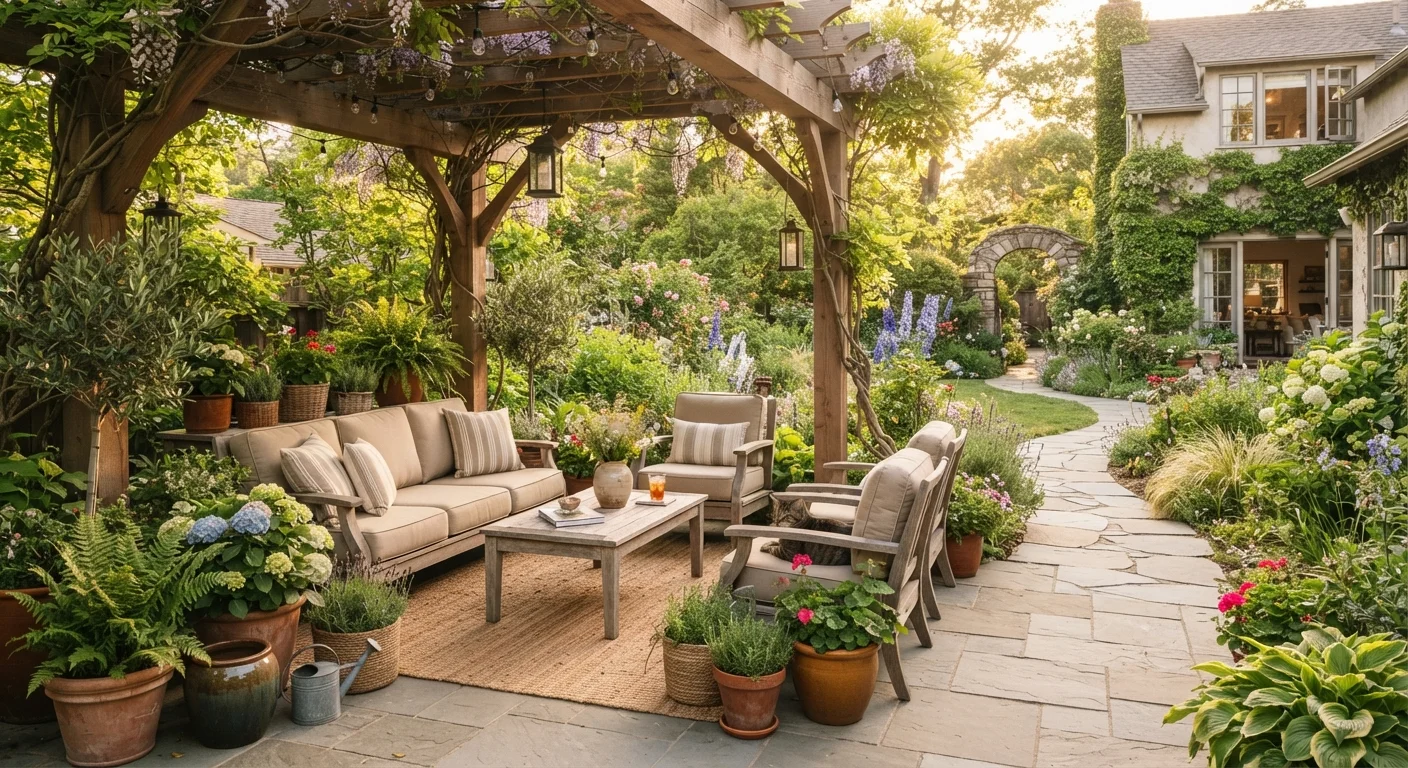
Shade options run a wide spectrum. Mature trees provide the most natural and cooling shade, but they take years to establish and must be sited carefully away from foundations and utility lines. Pergolas and shade sails are faster solutions that can be positioned precisely. A pergola with a climbing vine — such as wisteria or Virginia creeper — adds greenery while filtering light. Always check local permit requirements before building any permanent structure.
Wind is often overlooked. In many US climates, prevailing afternoon winds can make an exposed patio uncomfortable even on warm days. A well-placed privacy fence, a row of ornamental grasses, or a hedge provides a windbreak without completely enclosing the space. Consider how these elements affect neighboring sight lines as well.
If you're adding a pergola or shade sail, orient it to block the western sun angle in your specific latitude rather than assuming south-facing shade is sufficient. Afternoon west-facing exposure is often the harshest.
In most of the continental US, peak discomfort comes from late-afternoon western sun, which a south-facing structure alone does not block effectively.
When choosing screening plants for wind or privacy, select species with staggered heights rather than a single row of uniform shrubs — varied heights disrupt airflow more effectively and look more natural.
Uniform hedges create a clean wall that wind can arc over; varied canopy heights create turbulence that dissipates wind energy before it reaches the seating area.
Seating, Surfaces, and Flow
Comfort drives use. Outdoor furniture should match how the space is actually used: lightweight folding chairs for flexible entertaining, deep-cushioned seating for lingering, a sturdy table if outdoor meals are the priority. Keep cushions rated for outdoor UV and moisture exposure to reduce maintenance.
Surfaces matter as much as furniture. Grass is forgiving underfoot but requires mowing and can become muddy. Concrete pavers, decomposed granite, and compacted gravel are all practical alternatives for high-traffic areas. Gravel, in particular, handles drainage well and is DIY-friendly. Whatever you choose, create a clear, defined edge between paving and planted areas to simplify mowing and weeding.
Pathways guide people through the yard and protect plants. A 36-inch-wide path accommodates two people walking side by side — wide enough to feel welcoming rather than cramped. Use stepping stones to connect zones and define circulation without requiring large paved areas. For broader home improvement context on durable outdoor materials, consider how surface choices affect long-term maintenance loads.
36"
Recommended minimum pathway width
Landscape design guidelines generally recommend a 36-inch minimum for primary garden paths to comfortably accommodate two people side by side.
~30%
Water savings with drip irrigation
The EPA's WaterSense program has noted that drip irrigation systems can use significantly less water than conventional sprinklers when properly installed in planted beds.
Planting Zones That Work With Your Life
A garden you actually maintain is better than an ambitious one that becomes a source of stress. Group plants by their water and light needs — a practice sometimes called hydrozoning — so you're not hand-watering drought-tolerant plants the same way you would thirsty annuals.
Place high-maintenance plantings close to the house where you'll see them daily and tend to them naturally. Reserve the back of the yard for lower-intervention choices: native species, ornamental grasses, or shrubs that largely care for themselves once established. Native plants are increasingly recommended by landscapers because they're adapted to local rainfall and pest pressures, which reduces inputs over time.
For a garden that stays attractive season after season with less replanting effort, understanding the role of perennials versus annuals is essential. Perennials fill permanent structure; annuals can rotate in for seasonal color in containers or designated beds without requiring you to rethink the whole layout each year.
Don't Overplant in Year One
New homeowners and garden enthusiasts frequently fill every available space in the first season, only to find the yard overcrowded by year three as plants mature. Leave room for growth: most shrubs and perennials reach two to three times their nursery size within a few years. Filling gaps with mulch temporarily is far easier than relocating established plants later.
Keeping It Going from Spring Through Fall
A well-designed outdoor space still needs a seasonal rhythm to stay functional. In early spring, walk the yard and assess what's needed: reset furniture, check pathways for frost heave or erosion, refresh mulch in planting beds. A couple of hours in March or April sets the foundation for a low-effort summer.
Through summer, the primary tasks are watering during dry spells, deadheading spent blooms to prolong flowering, and checking furniture for any wear. Installing a simple drip irrigation line in planted beds can cut summer watering time significantly and reduce water waste.
As fall approaches, resist the urge to cut everything back immediately. Many seed heads feed birds through winter, and spent stems provide overwintering habitat for beneficial insects. Thoughtful fall garden cleanup means knowing what to remove versus what to leave — a practice that benefits both the ecosystem and your soil health heading into the next season.
Low-maintenance landscaping principles reinforce every design decision covered here: the goal is an outdoor space that rewards time spent in it, not one that demands it. When the bones of the space are right, maintenance becomes manageable and the yard becomes somewhere you'll genuinely want to be.
Year-Round Use Varies by Climate
"All season" means different things depending on where you live. In USDA hardiness zones 8 and above, outdoor spaces may be usable well into November or even year-round. In colder northern climates, the primary season may run from late April through October. Design your space with your actual local climate in mind rather than an idealized version.